
What changes when you stop counting
Weight loss still requires energy intake to stay below expenditure over time. Counting is one way to observe intake; it is not a biological requirement. Without it, you use meals, portions and routines as practical controls, then review whether the result fits your goal.
In the DIETFITS trial, adults received intensive support for a healthy lower-fat or lower-carbohydrate eating pattern without a prescribed calorie target. Both groups lost weight on average, with wide individual differences. This supports the possibility of an approach without counting; it does not mean any food described as healthy automatically causes weight loss.
Give meals a dependable structure
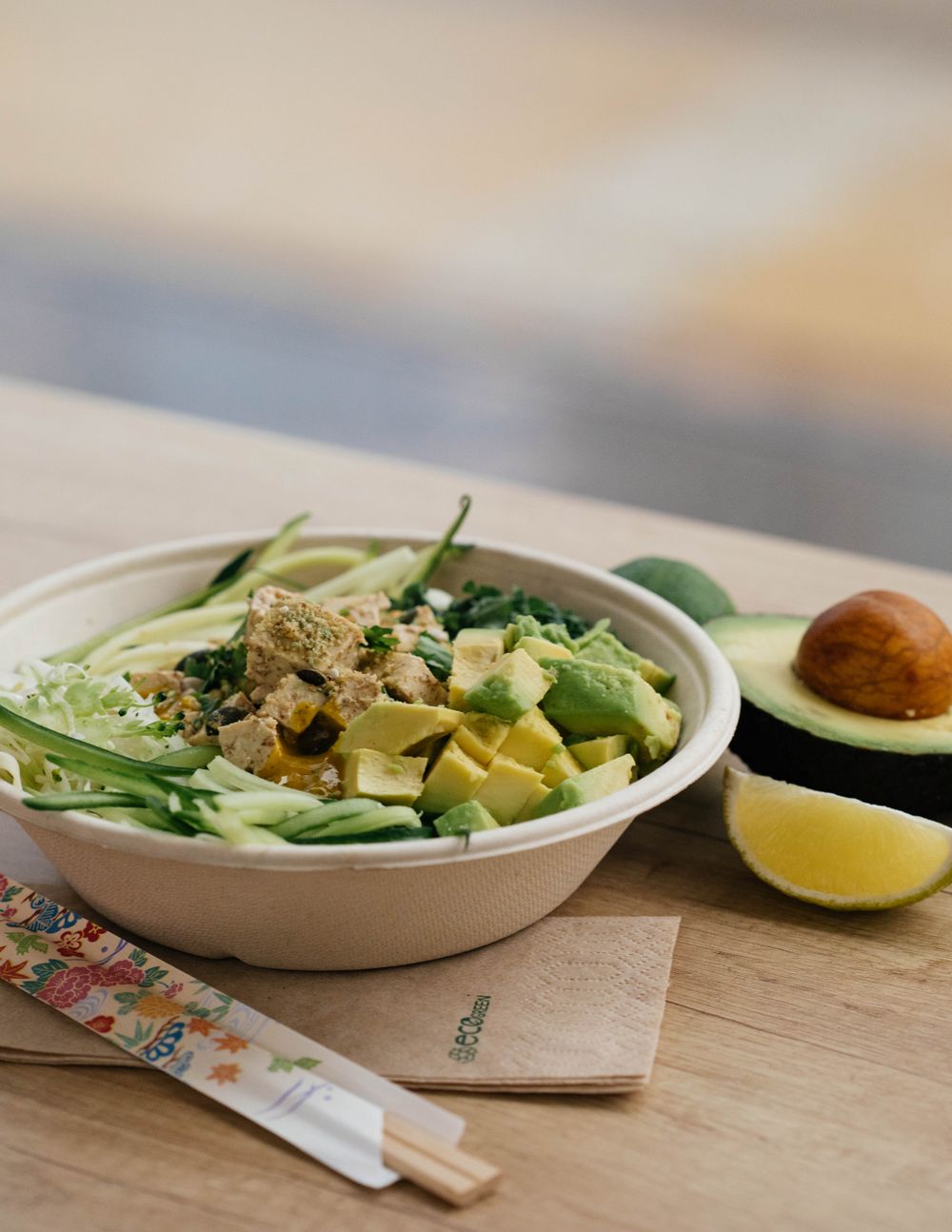
Start with a meal you often find difficult. Include a protein food, vegetables or fruit and a suitable starchy food. Examples include lentils with rice and vegetables, eggs with wholegrain bread and tomatoes, or fish with potatoes and greens. Add fats and sauces in amounts that make the meal enjoyable.
Use a familiar plate or bowl to make serving sizes easier to compare. You do not need to weigh ingredients. A vegetable-rich plate is a useful visual starting point, but appetite, activity, culture and medical needs may require different proportions. Build enough food into the meal to make the next few hours manageable.
Choose a change with a clear place in your day
Look for a frequently repeated decision. One specific change is easier to assess than a complete new menu. These examples keep the meal recognisable and make the action easy to repeat.
| Usual situation | Try this | What to check |
|---|---|---|
| A sugary drink with lunch | Choose water or an unsweetened drink on ordinary workdays | Does the replacement feel easy to repeat? |
| An unplanned late lunch | Keep a bean, rice and vegetable meal ready | Does afternoon hunger become easier to manage? |
| Snacking straight from a large pack | Serve a portion and sit down to eat | Would you like more because you are hungry or because it is available? |
| A takeaway after a long day | Order a satisfying meal with a vegetable side | Do you finish comfortably satisfied rather than uncomfortably full? |
Use hunger as information
Notice how you feel before and after meals. Regularly arriving at dinner extremely hungry can indicate that lunch is too small, too early or missing. Try strengthening the earlier meal or including a convenient snack. Fruit with yoghurt or bread with hummus can be practical options, depending on your needs.
Stress, sleep loss, medicines and food availability can also influence appetite. There is no perfect hunger score that everyone must follow. Eat at a pace that gives you time to notice satisfaction, and allow more food when you need it. If hunger signals feel confusing, rigid rules are unlikely to solve that on their own.
Keep energy-dense foods in proportion
Energy density means the amount of energy in a given amount of food. Oils, nuts, cheese, spreads and many snacks can provide substantial energy in a small portion. Some also provide valuable nutrients. Decide how much fits the meal instead of adding several extras automatically.
For example, a salad with beans and bread may already be satisfying with dressing. Adding generous oil, cheese, nuts and a creamy sauce can change its energy content considerably. Choose the additions you most enjoy.
Prepare for busy days and shared meals
Choose one quick meal from inexpensive ingredients you can store: frozen vegetables, beans, rice, eggs or suitable alternatives. Keep enough for a disrupted evening. When eating with others, use the same basic meal and adjust your serving, side dishes or extras to your own needs.
At a celebration, eat an ordinary meal beforehand if that suits the timing and enjoy the event. Avoid trying to earn the meal with exercise or compensate by skipping the next day’s food. The following regular meal is the easiest place to return to your routine.
Check whether the approach is working
Does lunch leave you satisfied, do the portions get you comfortably through the day, and is preparation easy? Those are good reasons to keep the habit. Whether it also brings the weight change you want becomes clearer over several weeks. If weighing suits you, similar conditions are more useful than constantly changing measurement times.
If the trend is stable and you feel well, choose one further change: a regular drink, an extra topping or a portion that is consistently larger than you need. If the approach leaves you hungry or preoccupied with food, make meals more adequate and seek support instead of accumulating more restrictions.
Keep your first week simple
Choose a lunch you enjoy and can prepare for the coming week. Put the ingredients on your shopping list and keep a quick backup in the cupboard. If it leaves you comfortably satisfied, that is a useful start. If you arrive home ravenous each evening, the earlier meal needs more attention. A new habit should make the day easier to manage.
This is general guidance for adults. Pregnancy, breastfeeding, a history of an eating disorder or medical conditions may call for a different plan. Avoid using weight loss as the automatic goal when food already feels distressing. Individual support can help you choose a suitable health goal and a way of eating that feels more stable.
Try a tool
Read next

Sources
- Gardner et al. (2018): The DIETFITS randomized clinical trial ↗
- NICE NG246: Physical activity and diet ↗
- NHS: Tips to help you lose weight ↗
- DGE: Gut essen und trinken ↗
Ella Olsson / Pexels · Pexels License · Resized and converted to WebP for this website.
Dziana Hasanbekava / Pexels · Pexels License · Resized and converted to WebP for this website.