
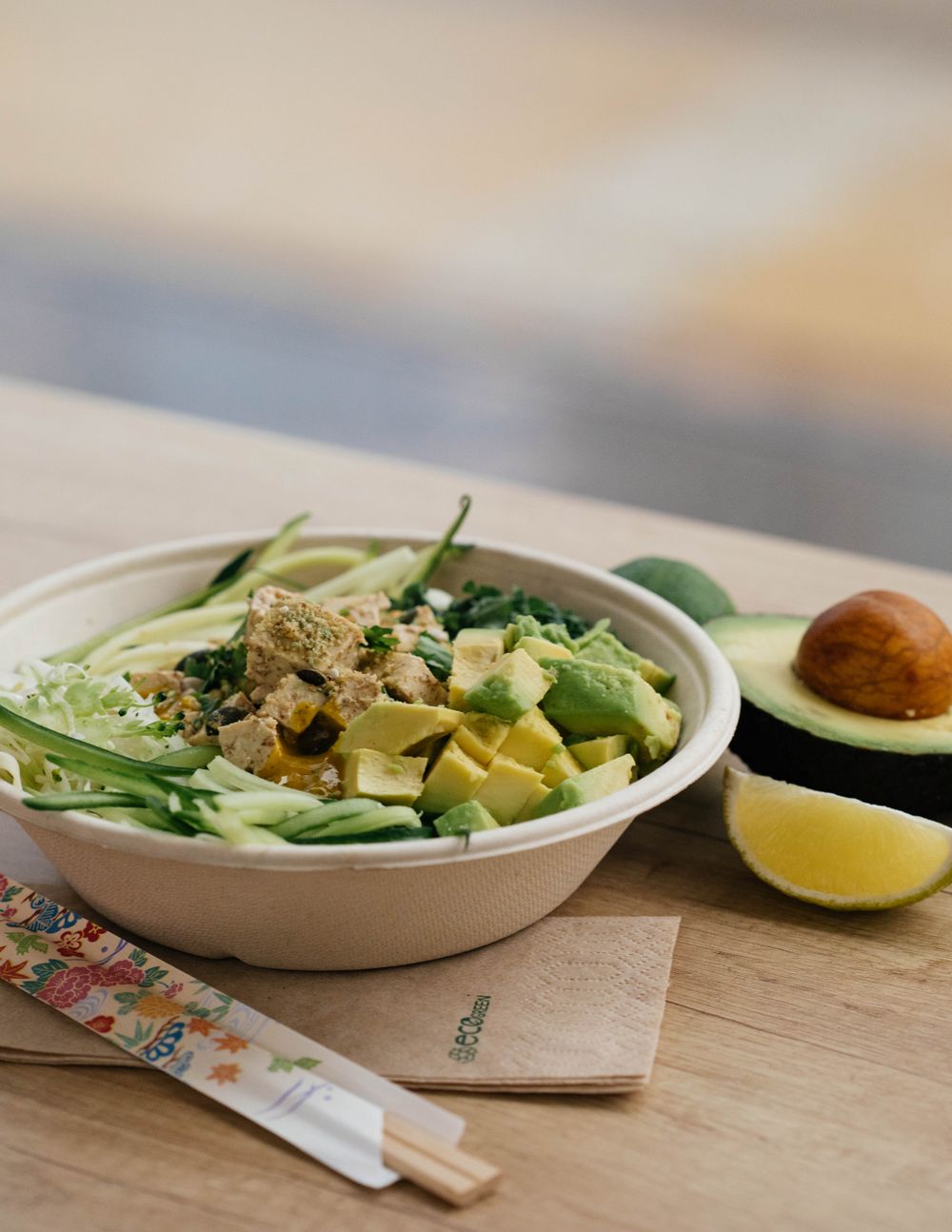
Build a balanced meal from food you already enjoy
Potatoes with eggs and spinach, rice with beans and peppers, or wholegrain bread with hummus and tomatoes: balanced meals can start with familiar ingredients. Potatoes, rice and bread provide energy. Eggs, beans and hummus add protein, which your body uses to maintain and build tissues, including muscle. Vegetables contribute fibre, vitamins and minerals. Changing these ingredients through the week brings variety to your plate.
How much should you put on your plate?
A meal should leave you comfortably full and suit the day ahead. A long walk or a demanding training day may call for a larger portion. If you are hungry again soon after eating, the whole meal may have been too small. A little more of the dish or a side can help. Oils, nuts and seeds add flavour and fats; how much you need depends on what is already in the meal.
Build a meal you can adjust
Start with a meal you already like. Add what is missing, then adjust its size to your hunger and training day. The following combinations are examples, with no prescribed calorie target. Beans and lentils contribute both carbohydrate and protein, so food groups can overlap.
| Meal | Make it more complete | Practical adjustment |
|---|---|---|
| Pasta with tomato sauce | Add lentils or tofu and vegetables | Cook extra sauce; freeze a portion for a late training evening. |
| Bread at lunchtime | Add eggs or hummus, tomatoes and fruit | If you are hungry again soon, check the size of the whole meal. |
| A takeaway rice bowl | Choose a protein source, vegetables and a sauce you enjoy | Keep a familiar option for days when cooking is unrealistic. |
Eat enough to support training
A small salad at lunch may leave you hungry by an evening workout. You could add bread and lentils or prepare a snack such as a banana with yogurt. Frequent exhaustion, missed menstrual periods or unintended weight loss need medical assessment. Trying to follow stricter food rules is not an appropriate response to those signs.
Shop for ingredients you can reuse
Oats, rice or potatoes, beans, eggs or tofu and some fruit can cover several meals. Frozen vegetables and canned pulses reduce preparation time. When choosing foods you buy regularly, check their ingredients and nutrition labels. A “fitness” label tells you little about how well a product fits the rest of your meal.
Read the label for the portion you actually eat
Nutrition labels often show amounts per 100 grams or 100 millilitres. Multiply that figure by your portion size and divide by 100. The figures below are worked examples, not claims about particular brands.
Compare similar products on the same basis, then consider the amount you will eat. Total sugars include naturally occurring sugars; that line alone does not tell you how much was added. Ingredients help with a different question: does the soup contain beans or lentils, and would some bread make it a more satisfying lunch?
| Example label | Your portion | Amount in that portion |
|---|---|---|
| Yogurt: 8 g protein per 100 g | 150 g | 12 g protein |
| Soup: 0.7 g salt per 100 g | 400 g | 2.8 g salt |
| Drink: 9 g sugars per 100 ml | 250 ml | 22.5 g sugars |
Make your hardest meal of the day easier
Perhaps breakfast keeps getting skipped, or you arrive home from the gym too tired to cook. That is a good place for a little preparation: mix oats the night before, freeze a portion of sauce or keep bread and hummus ready. Start with the meal that would take the most pressure off your day. Allergies, health conditions and some life stages may call for individual nutrition advice.
Read next
 NutritionHow much protein do you need to build muscle?
 NutritionWhat to eat before and after a workout: a guide to carbsEveryday habitsHow to eat healthier: small habits for busy days
 NutritionHow to lose weight healthily: a practical starting planNutritionWhat to eat to build muscle: meals, protein and portions
Sources
- WHO: Healthy diet (2026) ↗
- DGE: Ernährung und Sport ↗
- IOC consensus statement: Relative Energy Deficiency in Sport (2023) ↗
- NHS: Food labels ↗
Dziana Hasanbekava / Pexels · Pexels License · Resized and converted to WebP for this website.
Amine Kübranur Çakıroğlu / Pexels · Pexels License · Resized and converted to WebP for this website.