LiftPal · Body & Mind
Knowledge for training and everyday life
Learn exercises, find a way to train and see how movement, food and small habits fit together.
Find a topic or exercise
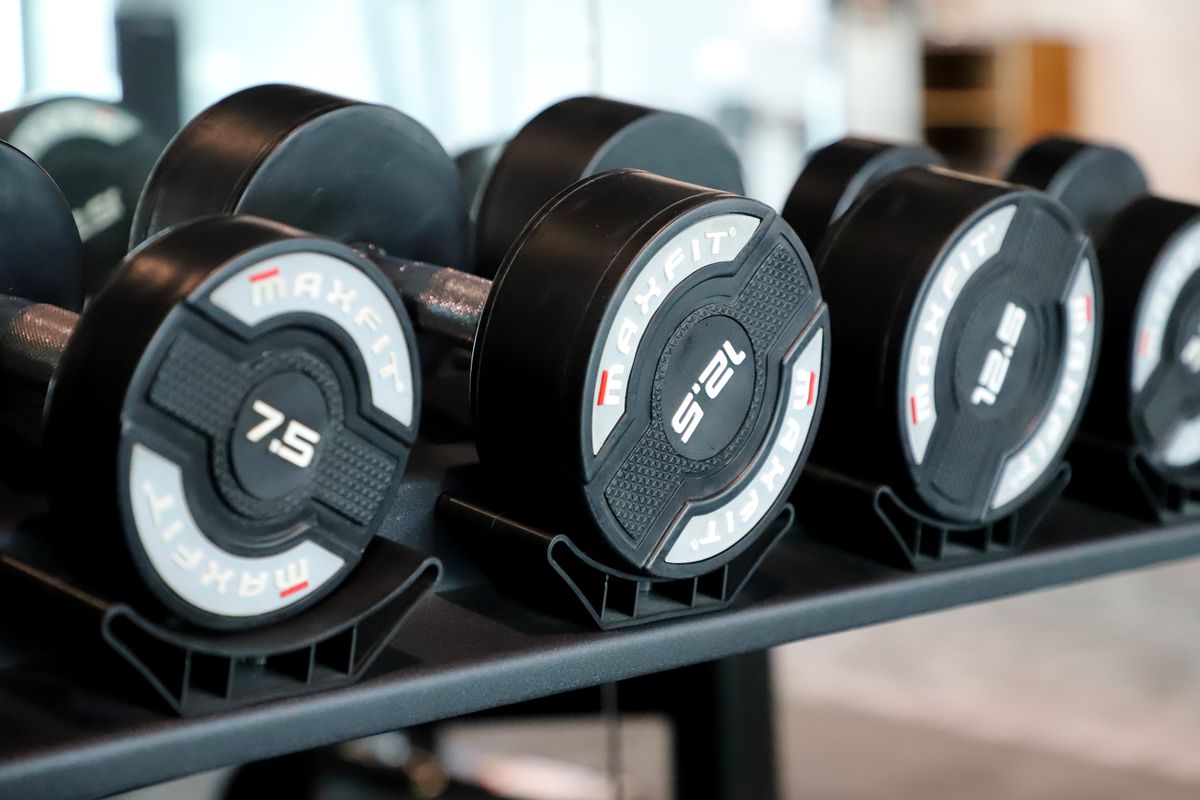
Supersets: Save Gym Time with Exercise Pairs That Work
Read guide
Plant protein for muscle: what to eat beyond protein shakes
Read guide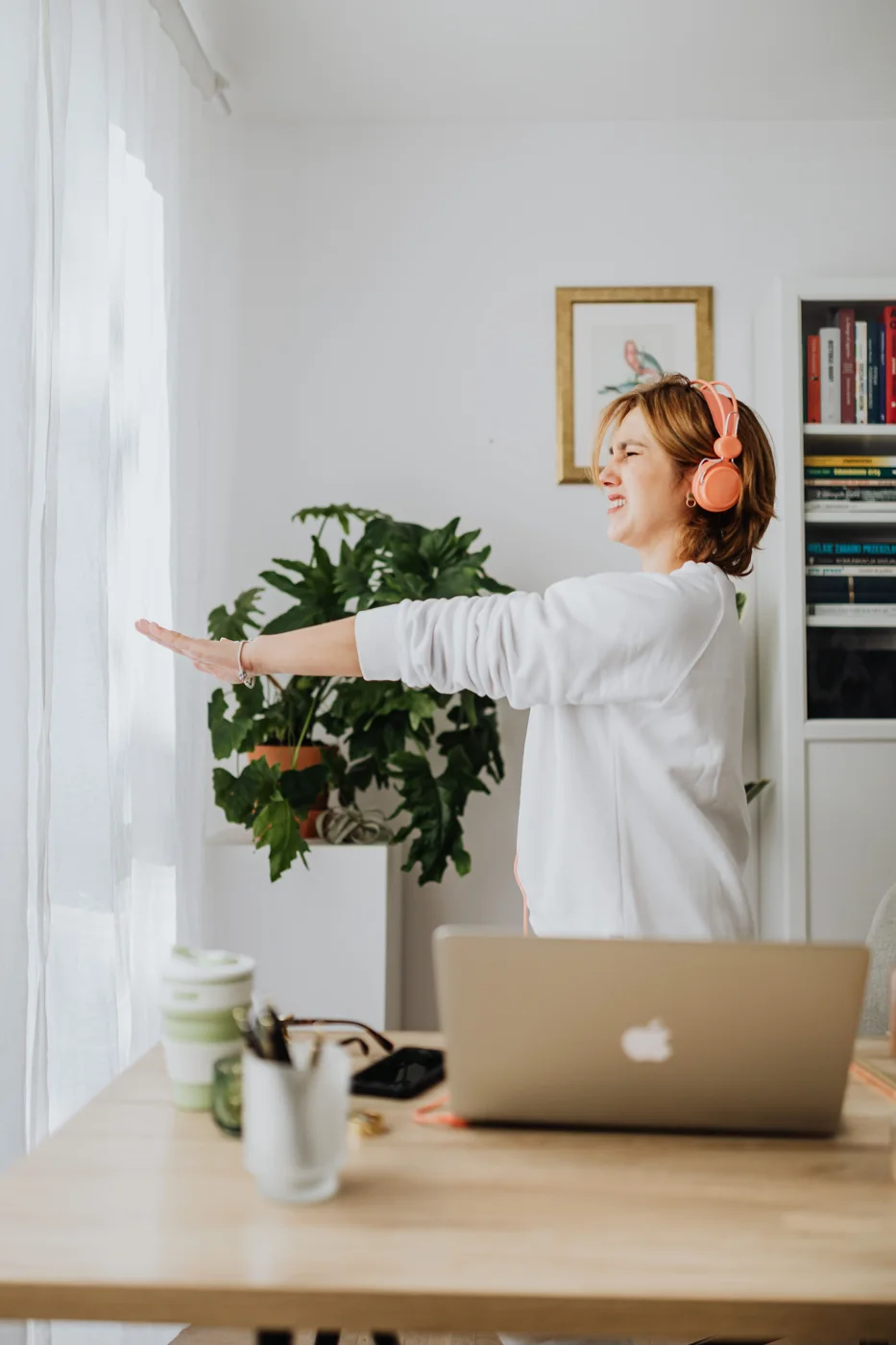
Exercise snacks: Small movement breaks for busy days
Read guideResults: 210
 Training styles
Is your AI workout plan any good? Check it before you start
Check the schedule, equipment, workload and progression with a practical worksheet and a complete two-day example you can actually use.
Read guide Training styles
Equipment taken? Find an exercise that fits your workout
Ten common gym exercises, useful alternatives, required equipment and the differences that matter when you switch.
Read guide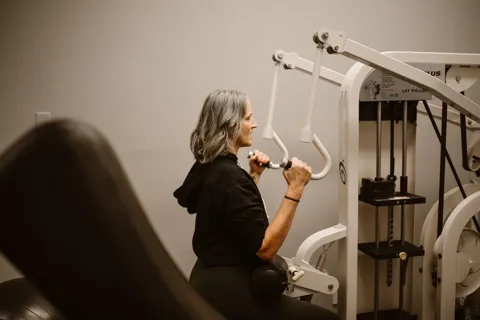 Training styles
First time at the gym alone? A clear plan for your first 30 minutes
What to bring, how to ask for help and how to start with three machines. A practical walkthrough for your first gym visit.
Read guide Training styles
HYROX compromised running: find out why your pace drops after stations
Compare your running pace fresh and after a station. Use a repeatable trial, worked timing example and clear next step for your training.
Read guide Training styles
HYROX Doubles with different fitness levels: plan your station splits
One of you runs faster and the other lifts more? Build a doubles strategy with two worked approaches and a practical station planning card.
Read guide Training styles
How to log dumbbell weight: per hand or combined?
Two dumbbells, alternating curls or single-arm rows? Five worked examples explain the load, repetitions and side notes to put in your training log.
Read guide Recovery
Low Apple Watch Readiness: Should you adjust your strength workout?
A low readiness score does not tell the whole story of your next set. Use three practical scenarios to weigh your watch, warm-up and recent training.
Read guide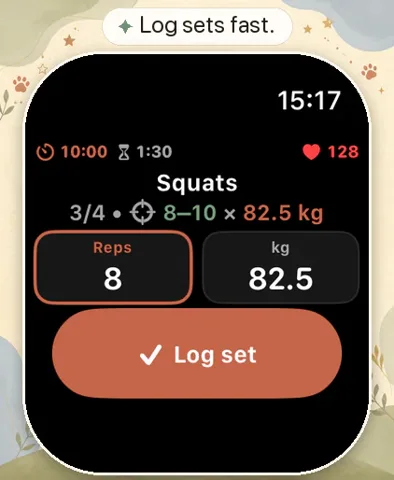 Training styles
Workout Buddy for strength training: Does it track weights and reps?
See what Workout Buddy offers for lifting, which devices it requires, and how to record the weights, reps and set effort you need next time.
Read guide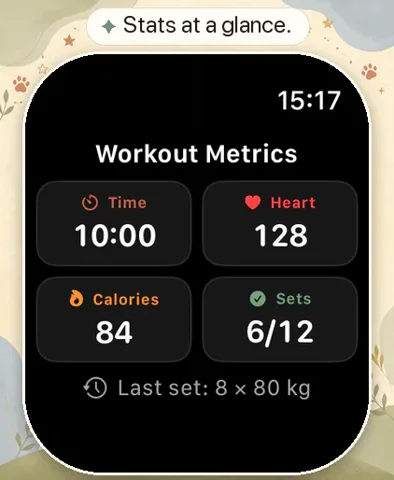 Training styles
Duplicate workouts in Apple Health: Find where the extra entry comes from
Trained once but see two workouts? Compare times, sources and data types, identify an extra export and keep the correct workout record.
Read guide Training styles
Is One Set per Exercise Enough? Make a Short Workout Count
A practical single-set routine, a time comparison and clear ways to progress. Find out when a small amount of training fits your goal.
Read guide Training styles
Does Bench Press Count for Triceps? Count Direct and Indirect Sets
Three complete training weeks with worked chest, back and arm calculations. Separate direct sets from estimated contributions without double-counting your log.
Read guide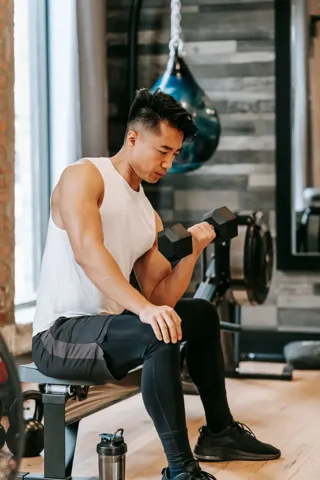 Training styles
Lengthened Partials vs Full Reps: What Should You Compare?
Understand long-length partial repetitions, choose a repeatable range and keep useful training records. Includes movement examples and worked log entries.
Read guide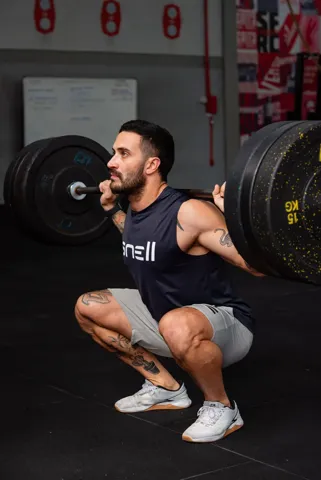 Training styles
Full Body, Upper/Lower or PPL: Choose a Split for 2–4 Days
Compare realistic weekly calendars, session length and missed-workout options. Find the split that fits two, three or four training days.
Read guide Training styles
How Many Warm-Up Sets Do You Need? Three Worked Examples
Choose ramp-up weights, repetitions and rests before your first heavy lift, a later similar exercise and a lighter machine movement.
Read guide Training styles
How Long Should You Rest Between Sets? Keep Performance and Time in Balance
Practical rest periods for heavy lifts and muscle growth, a complete workout-time calculation and a log example for comparing your own sessions.
Read guide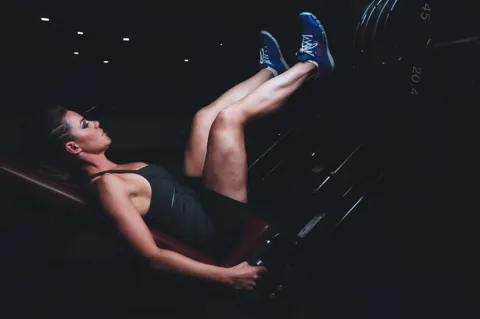 Plans and progress
Machine-only workout plan: two simple gym days for beginners
A complete A/B machine workout with five exercises per session, starting-weight guidance, seat settings and a straightforward progression rule.
Read guide Training styles
Missed a workout? How to rearrange the rest of your week
Three worked calendars show how to continue a full-body, push/pull/legs or upper/lower plan after a missed workout without cramming in extra sets.
Read guide Plans and progress
Only free Saturday and Sunday? Two weekend strength plans
Choose upper/lower or two modest full-body sessions: complete weekend workouts with exercises, rest times and adjustments for the second day.
Read guide Plans and progress
Strength training on shifts: a plan that moves with your rota
Follow a rotating early, late and night-shift schedule with two A/B strength sessions and a short alternative for busy days.
Read guide Training styles
Your first half marathon: where strength training fits
Add two short strength sessions to an existing half-marathon plan, with a weekly calendar, exercises and adjustments around long runs and race day.
Read guide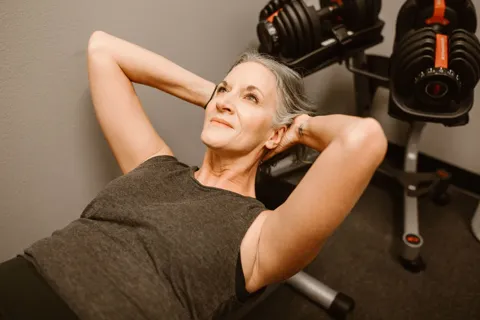 Training styles
Strength Training Over 60: Five Exercises to Get Started
Start strength training after 60 with five home exercises, two weekly sessions, sensible starting weights and a clear way to progress.
Read guide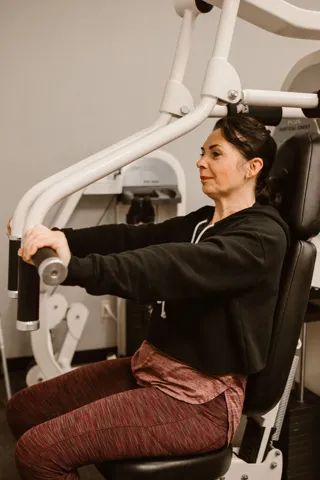 Training styles
Strength Training During Menopause: A Practical Starting Plan
Build a strength routine during menopause with two weekly sessions, useful exercises and sensible adjustments after difficult nights.
Read guide- Training styles
Should You Train to Failure or Leave Reps in Reserve?
How close to failure should a set be? Understand RIR, clean repetitions and when a harder final set makes sense, with practical lifting examples.
Read guide - Training styles
Supersets: Save Gym Time with Exercise Pairs That Work
Choose useful superset pairings, get the rest periods right and try a complete strength session built around three pairs.
Read guide - Recovery
How to Take a Deload Week and Return to Normal Training
When a lighter week helps, how to reduce sets and load, and how to resume afterwards. Includes a complete example week.
Read guide 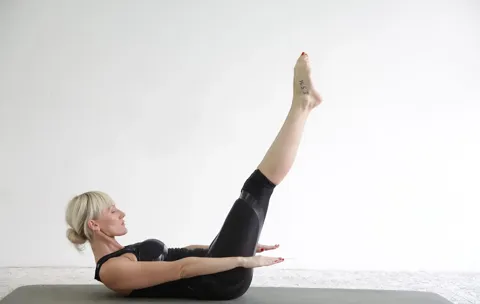 Training styles
Pilates and Strength Training: A Three-Session Weekly Plan
Combine two strength days and one Pilates class with a complete schedule, lifting exercises and practical recovery adjustments.
Read guide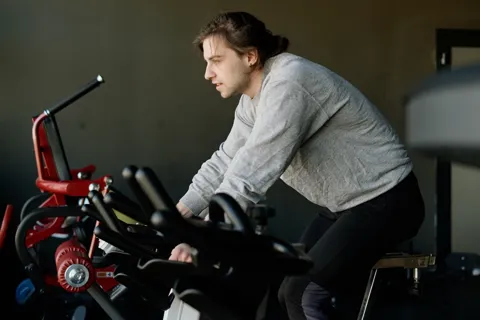 Training styles
Zone 2 and strength training: how to fit both into your week
Build endurance alongside lifting. Find an easy pace, try a short first session and arrange cardio around your strength workouts.
Read guide Nutrition
Creatine for strength training: dose, benefits and getting started
What creatine can add to lifting, how 3–5 g a day works and what to know about loading, water weight and product quality.
Read guide Nutrition
Plant protein for muscle: what to eat beyond protein shakes
Build satisfying meals with tofu, lentils, beans and soy foods. A practical guide to protein portions, variety and plant-based strength training.
Read guide Nutrition
High-protein breakfasts without powder: quick, normal food
Sweet and savoury breakfast ideas with yogurt, eggs, tofu and beans. Understand portions and prepare mornings without relying on protein powder.
Read guide Nutrition
Fibre and training: eat more without an uncomfortable workout
Practical ways to add fibre, understand daily guidance and time meals around training. What the fibremaxxing trend gets right and where to slow down.
Read guide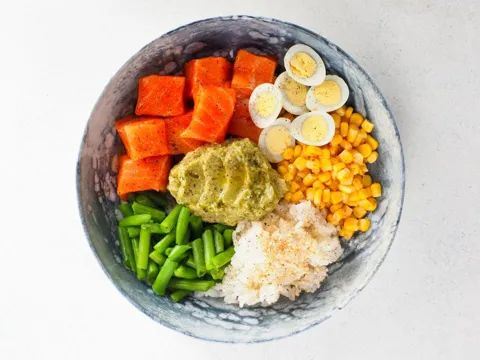 Nutrition
What to eat before an early morning workout
Breakfast, a small snack or food afterwards? Practical options for early lifting and running, including a realistic morning schedule.
Read guide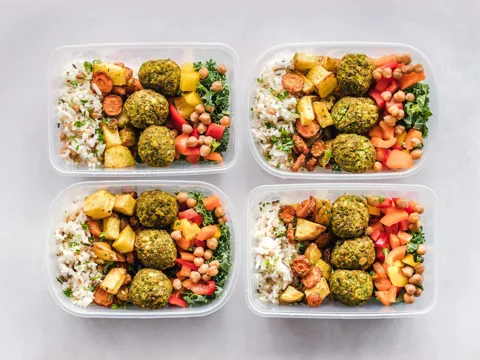 Nutrition
Dinner after a late workout: eat well and get to bed
Simple meals after evening training, how to split dinner and what to change when a full stomach or caffeine keeps you awake.
Read guide Nutrition
Meal prep for shift work: good food for changing hours
Early, late or overnight shifts: prepare two meals, pack for unpredictable breaks and keep your food safely chilled. Includes complete recipe links.
Read guide Everyday habits
Exercise snacks: Small movement breaks for busy days
Only have two minutes? Add walking breaks and simple exercises to your workday, with practical ideas that do not require gym clothes.
Read guide- Everyday habits
Walking pad at work: How to start without disrupting your day
Can you work while using a walking pad? Find suitable tasks, set up your desk and build a comfortable routine without chasing an all-day step target.
Read guide  Training styles
Rucking for beginners: Your first walks with a weighted backpack
How to choose and pack a backpack, start with a manageable load and fit rucking around strength training without rushing the progression.
Read guide- Recovery
Training after poor sleep: Go ahead, scale back or take a rest?
Slept badly before a workout? Use alertness and your warm-up to decide, with a practical example of adjusting a strength session.
Read guide 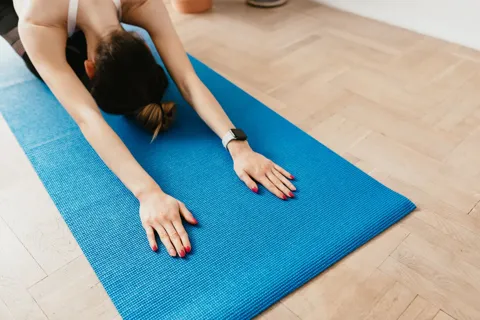 Recovery
Training with sore muscles: What makes sense today?
Still sore from your last workout? Use movement and symptoms to choose between a modified session, another muscle group and a rest day.
Read guide- Training styles
Strength plateau: Why your weights have stalled and what to change
Lifting the same weights for weeks? Use your workout history to work out whether rest periods, load jumps, training volume or recovery need attention.
Read guide 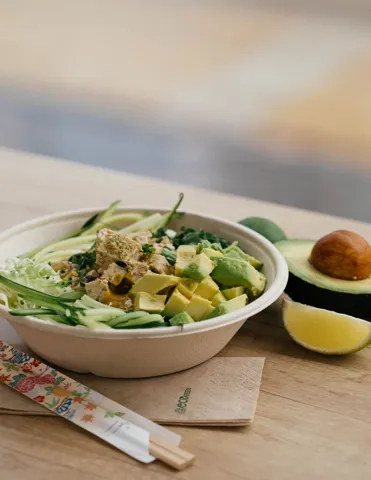 Nutrition
Healthy eating made easier: meals and staples for busy days
Build varied, satisfying meals around your everyday routine and training, with practical ideas for shopping and cooking.
Read guide- Nutrition
How much protein do you need to build muscle?
Understand protein needs, work through a simple example and build meals with animal or plant-based protein sources.
Read guide - Nutrition
What to eat before and after a workout: a guide to carbs
Learn what carbohydrates and glycogen do, choose everyday food sources and plan meals around your workout.
Read guide  Nutrition
Healthy fats: which oils, nuts and foods should you choose?
Understand saturated and unsaturated fats with practical examples using oils, nuts, fish and plant-based meals.
Read guide Nutrition
Which vitamins do you need, and when do supplements help?
Understand what vitamins do, why B12 and vitamin D need specific attention and what to check before buying a supplement.
Read guide- Nutrition
Calcium, iron and magnesium: food sources explained
Learn the roles of key minerals, find everyday food sources and understand when symptoms need proper assessment.
Read guide - Nutrition
What to drink during a workout: water, amounts and electrolytes
Understand water, sweat and sports drinks, and plan what to drink for ordinary workouts and more demanding conditions.
Read guide - Anatomy
Which muscles do your exercises work? Training anatomy explained
Learn what muscles, tendons and joints do, with movement patterns and exercise examples you can use when reading a training plan.
Read guide 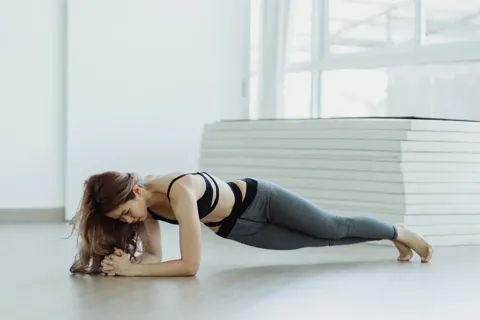 Recovery
Reducing injury risk in strength training: load, technique and rest
Plan gradual changes, prepare new movements and respond to symptoms, with an example of returning to regular training.
Read guide- Everyday habits
How to eat healthier: small habits for busy days
Practical ways to shop, prepare food and eat regularly, with a clear action you can try in your own routine.
Read guide 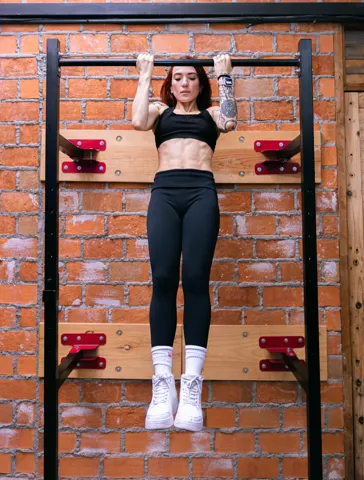 Training styles
Starting calisthenics: build strength with your bodyweight
Push-ups, pull-ups and controlled support positions turn your body into the training load. Start with suitable variations and a schedule you can repeat.
Read guide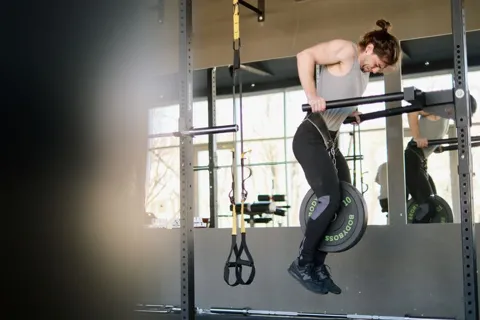 Training styles
Weighted calisthenics: progressing pull-ups and dips
Ready to add weight to your pull-ups and dips? Learn how to choose your first load, use a dipping belt and arrange your training week so you can build strength gradually.
Read guide- Training styles
Bodybuilding: a practical start to building muscle
Bodybuilding training centres on developing muscle mass. The useful ingredients are repeatable exercises, challenging sets and enough recovery time.
Read guide - Training styles
Starting powerlifting: squat, bench press and deadlift
Powerlifting competition tests the heaviest valid squat, bench press and deadlift. Training builds the strength and technical consistency needed for those three movements.
Read guide - Training styles
Pilates for beginners: mat, reformer and your first exercises
Curious about Pilates but unsure what a reformer or core control means? Find out what a session involves and how to begin with a short mat workout.
Read guide 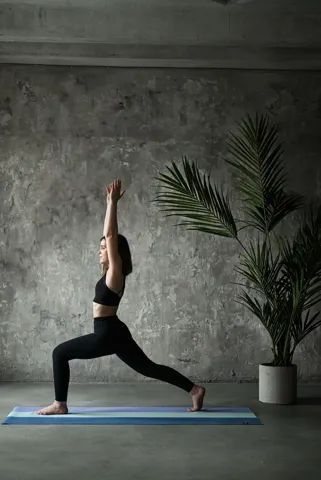 Training styles
Starting yoga: finding a style that suits you
Gentle stretching or a demanding flow? Yoga comes in many forms. This guide helps you choose a first class and make room for regular practice.
Read guide- Training styles
HYROX for beginners: stations, training and your first race
Thinking about your first HYROX race, or simply interested in the training? Learn how the race works and how to combine running with station practice as a beginner.
Read guide - Training styles
Starting CrossFit: understand your first session
Thinking of trying CrossFit? Find out what happens in a typical class, how beginners adapt the exercises and what to look for in a coach.
Read guide 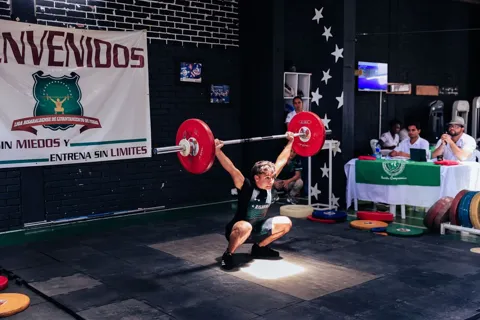 Training styles
Olympic weightlifting: learning the snatch and clean and jerk
Olympic weightlifting takes a barbell from the floor to overhead through the snatch and clean and jerk. Learn what makes each lift different and where to start learning them.
Read guide- Training styles
Strength training at home: exercises with and without equipment
You can train strength at home when the exercises and difficulty suit you. A few pieces of equipment you reliably use are more useful than a room full of unused kit.
Read guide - Training styles
Calisthenics or gym training: which suits you?
Pull-ups in the park or weights at the gym? Compare equipment, starting difficulty and ways to progress, then see how you can combine both approaches.
Read guide - Training styles
Bodybuilding or powerlifting: muscle and strength goals
Do you mainly want bigger muscles or heavier lifts? See how bodybuilding and powerlifting differ in practice and choose a training focus that suits your goal.
Read guide  Training styles
Yoga or Pilates: which practice suits you?
Yoga or Pilates: which would you enjoy practising regularly? Compare typical classes, equipment and training priorities before choosing your first session.
Read guide- Training styles
HYROX or CrossFit: race format and everyday training
Looking for a mix of strength and endurance? Compare HYROX and CrossFit, from everyday training to competition, and find out what starting either one involves.
Read guide - Plans and progress
Sets, reps and working weight explained
What does 3 × 10 mean, how long should you rest and which weight should you pick? A short example workout shows you how to read a plan and use it in the gym.
Read guide - Plans and progress
Two-day full-body workout plan for beginners
Want to start strength training with two workouts a week? This full-body plan gives you the exercises, sets and progression steps, even if you have never trained before.
Read guide - Plans and progress
3-day full-body workout plan for strength and muscle
Train your whole body three days a week. Follow complete workouts with sets, rest periods and clear progression, including a first-week guide for beginners.
Read guide - Plans and progress
Four-day upper/lower workout plan
Want to train four days a week and give each muscle group more attention? Two upper-body and two lower-body sessions spread out the work and explain how to choose and increase your weights.
Read guide - Plans and progress
30-minute strength workout: prioritise your main sets
Only have half an hour to train? Four exercises and eight working sets make a complete session. Get two alternating dumbbell workouts and a practical way to divide your time.
Read guide  Plans and progress
A beginner yoga plan: two short sessions for four weeks
Start yoga at home with two 10–15-minute sessions, clear pose instructions, easier options and a practical four-week schedule.
Read guide- Plans and progress
Home workout plan: two days with dumbbells
Two dumbbells, a little space and two training days a week can cover your legs, back and chest. This plan also explains when to add repetitions or weight.
Read guide  Plans and progress
Build calisthenics strength: 2 days with controlled pull-up lowers
Want to get stronger at calisthenics and work towards unassisted pull-ups? This two-day plan combines controlled lowering from the bar with rows, push-ups and leg exercises.
Read guide- Plans and progress
Weighted calisthenics plan: build pull-ups and dips
Your pull-ups and dips are solid and you want to add weight. Three training days give you a heavy pulling day, a heavy pressing day and a lighter session, alongside leg and back work.
Read guide  Plans and progress
Muscle-building plan: three complete training days
Build muscle with three gym days a week. This plan combines compound lifts with extra work for shoulders, arms and legs, including all sessions and clear steps for progression.
Read guide- Plans and progress
Powerlifting plan: three days for squat, bench and deadlift
Want a regular routine for the squat, bench press and deadlift? This three-day plan gives each lift a place and explains how to choose working weights and build strength.
Read guide 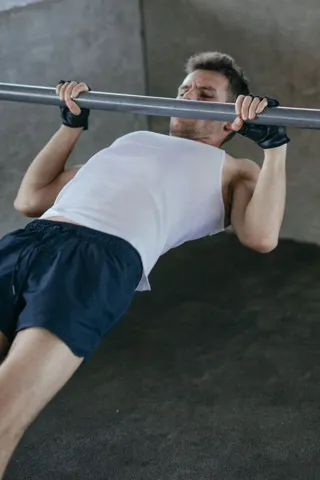 Plans and progress
Beginner calisthenics: two approachable full-body days
Want to start calisthenics before your first pull-up? These two full-body sessions begin with easier variations and show you when to try the next step.
Read guide- Plans and progress
Your first pull-up: a plan built around assistance
Working towards your first pull-up? Two weekly sessions use an assisted machine and rows to build pulling strength. As you get stronger, you gradually reduce the assistance.
Read guide 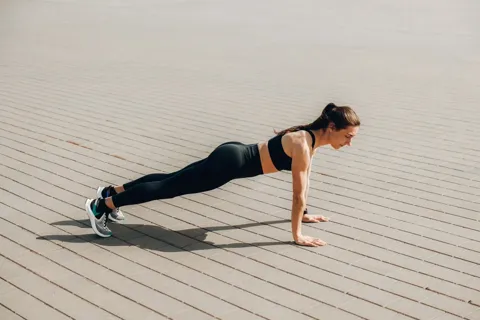 Plans and progress
Learn your first push-up with three short practice days
A floor push-up still feels out of reach? Start with your hands on a raised surface. Two strength days and one easy practice day help you work towards a lower position.
Read guide- Plans and progress
Prepare your first dip with support from your feet
Want to learn your first dip? Low parallel bars let your feet help while you practise supporting and lowering your body. Learn how to reduce that help over time.
Read guide - Plans and progress
Build cleaner pull-ups across three different training days
You can do a few pull-ups and want to do more. Three days with different workloads help you build extra clean repetitions without taking every set to your limit.
Read guide - Plans and progress
Weighted calisthenics: four days for strength and balanced development
Already training weighted pull-ups and dips? This four-day plan separates heavier and lighter upper-body sessions and adds two leg days to train the whole body.
Read guide 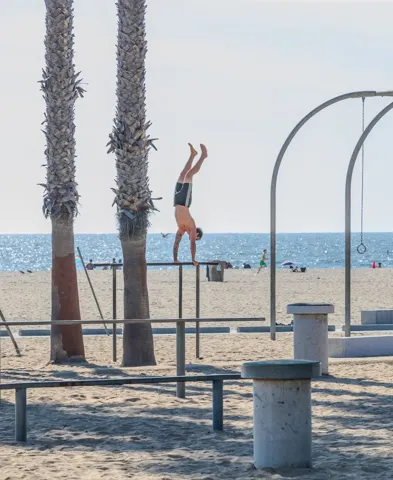 Plans and progress
Calisthenics skill foundations: L-sit, support holds and body tension
Want to work towards an L-sit and other calisthenics skills? Start with trunk control, support holds and pike push-ups. Short skill practice comes first, followed by strength work.
Read guide- Plans and progress
20-minute calisthenics at home: two compact sessions
Have about 20 minutes for calisthenics? Two compact full-body sessions show you which exercises to fit in and how to build strength with limited time.
Read guide - Plans and progress
Beginner powerlifting: a 2-day plan
Want to learn powerlifting with two training days a week? Squats, bench presses and deadlifts are in the plan from the start, with a small number of sets and time to practise.
Read guide - Plans and progress
Start powerlifting with 3 short sessions
Prefer learning the powerlifts in shorter sessions? This beginner plan spreads them over three days, with guidance on starting weights and your first increases.
Read guide - Plans and progress
4-day powerlifting: upper and lower body
Comfortable with the three powerlifts and ready for four days a week? This plan splits heavier and lighter work across upper- and lower-body sessions, with recovery days between them.
Read guide - Plans and progress
Improve your bench: a 3-day powerlifting plan
Want a stronger bench press? Three sessions use regular, paused and close-grip bench presses for focused practice. Squats and deadlifts stay in the weekly plan.
Read guide - Plans and progress
Improve your squat: a 3-day powerlifting plan
Want to improve your squat? A heavier day, paused squats and a lighter practice day give you different ways to work on depth, bracing and strength.
Read guide - Plans and progress
Deadlift improvement plan: three training days
Want to improve your deadlift? One heavy day and Romanian deadlifts later in the week develop the movement while keeping squats and bench presses in your routine.
Read guide - Plans and progress
Paused squats and bench presses: a technique plan
Losing tension at the bottom of a squat or bench press? Two days of paused repetitions let you practise those positions with a lighter load.
Read guide - Plans and progress
Return to powerlifting: a 2-day plan
Returning to squats, bench presses and deadlifts after a break? This two-day plan brings back familiar movements and helps you find working weights that suit you now.
Read guide - Plans and progress
Your first powerlifting meet: practise the process
Preparing for your first powerlifting meet? Practise commands, pauses and opening attempts with familiar weights, and learn what to check before you enter.
Read guide 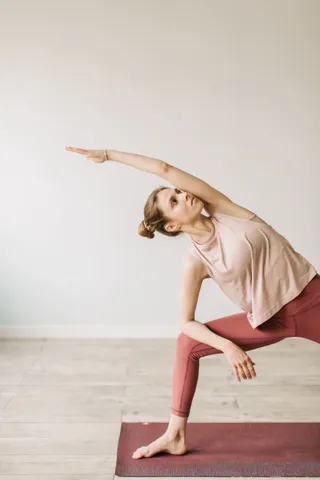 Plans and progress
10-minute yoga: a short beginner sequence
Ten minutes for a little movement. This short yoga sequence combines seated work, gentle back movements and simple wall and floor positions, with a clear order to follow.
Read guide- Plans and progress
Morning yoga: 15 minutes mostly on your feet
Want to move a little before the day gets busy? Spend 15 minutes on simple standing poses, side bends and balance, with little setup before breakfast or work.
Read guide - Plans and progress
Evening yoga: a quiet 15-minute sequence
Ready for a quiet quarter of an hour after a busy day? This evening yoga sequence combines gentle back movements and twists with a relaxed lying position to finish.
Read guide - Plans and progress
Yoga at your desk: a ten-minute chair break
Been sitting at your desk for hours? This ten-minute yoga break gets your back, shoulders and legs moving. A stable chair and a little space are all you need.
Read guide - Plans and progress
Yoga for balance: 20 minutes with support nearby
Finding it hard to balance on one leg? Practise with a wall or chair for support and learn how to rely on it less as the standing positions become familiar.
Read guide - Plans and progress
Standing yoga: 20 minutes without floor transitions
Want a yoga session that keeps you mostly upright? Try standing poses, side bends and balance exercises, with instructions for using a wall or chair as support.
Read guide - Plans and progress
Yoga strength flow: 30 minutes for experienced practice
Know the yoga basics and want a more demanding session? This flow combines support positions and leg work in a fixed sequence, with rest periods and easier variations.
Read guide - Plans and progress
Gentle yoga: 15 minutes with plenty of support
Want a gentle start to yoga? Use a chair, wall and blanket to find comfortable variations. This short sequence allows time for setup, side changes and rest.
Read guide - Plans and progress
Yoga for mobility: 25 minutes of controlled movement
Want to move more freely and spend time stretching? Work through yoga positions for your back, shoulders and legs, with advice on range of motion and useful supports.
Read guide - Plans and progress
Learn Olympic weightlifting: a coached two-day introduction
Want to learn Olympic weightlifting? Two coached sessions introduce the rack position, hang position and footwork. A light technique bar gives you time to learn the movements.
Read guide 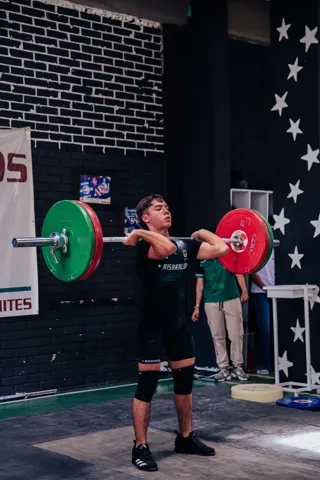 Plans and progress
Beginner Olympic weightlifting: three short technique sessions
Learned your first weightlifting drills and want regular practice? Three short sessions develop the hang snatch, clean and jerk, with time for coaching between attempts.
Read guide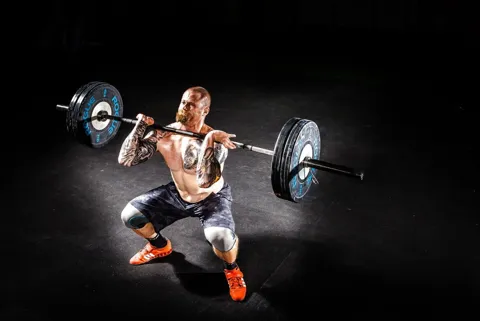 Plans and progress
Olympic weightlifting twice a week: practise both lifts
Can you snatch and clean and jerk, but only train twice a week? This plan keeps both lifts and squat work in your schedule without compressing four sessions into two.
Read guide- Plans and progress
Four-day weightlifting plan: technique and strength
Want to spread weightlifting across four days? Two demanding sessions and two light technique days make room for the snatch, clean and jerk and strength work.
Read guide - Plans and progress
Improve your snatch: a focused three-day weightlifting plan
Struggling to settle under the bar in the snatch? Three days combine full lifts, hang snatches and singles so you and your coach can work on a specific technical issue.
Read guide - Plans and progress
Improve the clean and jerk: three days with separate jerk practice
The clean feels solid but the jerk is inconsistent? This three-day plan gives the jerk its own practice time before bringing it back into the complete lift.
Read guide - Plans and progress
Weightlifting from the hang: a two-day position block
Losing the bar path above the knees? Two sessions from the hang shorten the movement, then full lifts help you practise keeping that improvement from the floor.
Read guide - Plans and progress
Weightlifting overhead control: receiving positions and footwork
Want a steadier overhead position and more reliable feet after the jerk? Two light sessions combine position work, footwork and lifts, with feedback from your coach.
Read guide - Plans and progress
Strength for Olympic weightlifting: squats and pulls across three days
Struggling to stand up after the clean? This three-day plan adds more squats and pulls while keeping the snatch and clean and jerk in your training.
Read guide - Plans and progress
Return to Olympic weightlifting: two light days after a break
Returning to weightlifting after a break? Two light sessions bring back hang lifts, jerks and squats. Find suitable weights before building up the workload again.
Read guide - Plans and progress
Beginner muscle building: 2 gym days
Want to build muscle and starting from scratch? Two full-body days use straightforward machine and dumbbell exercises, from choosing your first working weight to making your next increase.
Read guide - Plans and progress
Start building muscle with 3 short gym sessions
Want to begin building muscle with shorter, more frequent sessions? Three days of four or five exercises help you learn the movements and progress regularly.
Read guide - Plans and progress
Arm-focused bodybuilding: a 4-day plan
Already training regularly and want to give your arms more attention? This four-day plan brings biceps and triceps work forward while keeping chest, back and legs in the week.
Read guide - Plans and progress
Build muscle in 2 days: full body for experienced lifters
Have training experience but only two gym days available? Two longer full-body sessions bring together compound lifts and extra muscle work, with guidance on how to divide the sets.
Read guide - Plans and progress
Shoulder-focused bodybuilding: a 4-day plan
Want to develop your shoulders? This four-day plan combines overhead presses, lateral raises and rear-delt work while keeping dedicated exercises for your other muscle groups.
Read guide - Plans and progress
Back-focused bodybuilding: a 4-day plan
Want to give your back more training attention? Rows and vertical pulls lead your upper-body days, with two separate days for your legs.
Read guide - Plans and progress
Leg-focused bodybuilding: a 4-day plan
Want to develop your legs and glutes? Two lower-body days make room for squats, hip extension and additional exercises. Your upper body has two separate training days.
Read guide - Plans and progress
5-day bodybuilding: upper/lower and push/pull/legs
Train regularly and want a five-day muscle-building routine? This plan combines upper/lower sessions with push/pull/legs and explains how the five days work together.
Read guide - Plans and progress
Build muscle at home: 3 days with dumbbells
Build muscle at home with dumbbells and no bench. Three sessions combine leg exercises, presses and rows, with guidance on weight, repetition ranges and progression.
Read guide - Plans and progress
Back to training: a 15-minute home plan
Want to get back into training after a long break? Two short sessions with four simple movements make it easier to begin. Allow about 15 minutes and a little space at home.
Read guide - Plans and progress
A three-day home workout without equipment
Want to work out at home before buying equipment? This three-day plan uses bodyweight exercises for legs, pressing and trunk strength and shows you how to make them harder.
Read guide 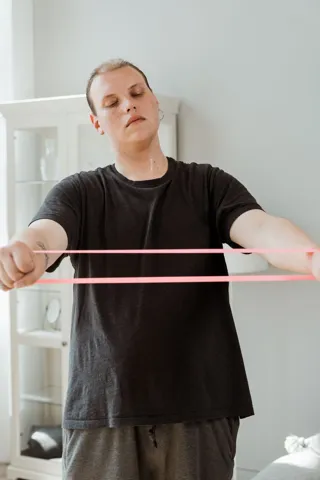 Plans and progress
A resistance-band plan without a door anchor
Have a resistance band and want a regular routine? Two sessions combine rows, leg exercises and push-ups, without attaching the band to a door or furniture.
Read guide- Plans and progress
30-minute dumbbell workouts: three full-body days
Have dumbbells and about 30 minutes to train? Three full-body sessions with four exercises each give you a clear home routine that works without a bench.
Read guide - Plans and progress
One dumbbell, two training days, no bench
Only own one dumbbell? You can still train your legs, chest and back. This two-day plan uses single-sided exercises and explains how to work both sides evenly.
Read guide - Plans and progress
Four home sessions: an upper/lower dumbbell plan
Want to train at home four days a week? This dumbbell plan gives your upper body and legs separate days, so each session can focus on fewer muscle groups.
Read guide - Plans and progress
A home plan with a pull-up bar and dumbbells
Have dumbbells and a securely mounted pull-up bar? This three-day plan combines pull-ups and rows with leg exercises and presses for a full-body routine.
Read guide - Plans and progress
A quiet home workout without jumping
Want to move at home without jumping? This quiet circuit combines marching, squats and wall push-ups. Every exercise is done standing up.
Read guide - Plans and progress
An advanced dumbbell strength plan for home
Experienced with home training and want to get stronger? Three sessions use heavier dumbbells, single-leg exercises and longer rests to give your strength work a new focus.
Read guide - Learn exercises
How to bench press: setup, grip and variations
A stronger bench starts with a good setup. Learn how to position your body, control the weight and choose between a barbell, dumbbells and a machine.
Read guide - Learn exercises
How to do push-ups: your first rep and what comes next
Can't do a floor push-up yet? Raise your hands onto a sturdy support and start training your chest and arms. Find your starting variation, learn the technique and progress when regular push-ups become easy.
Read guide 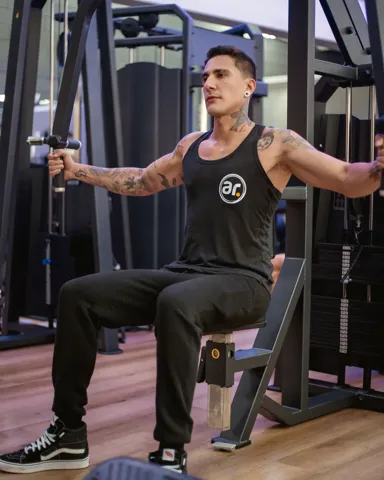 Learn exercises
Chest flyes: cables, dumbbells or a pec deck?
Want another chest exercise alongside your presses? Flyes train the chest with only a slight bend in your elbows. Learn the movement and understand how cables, dumbbells and a pec deck change the exercise.
Read guide- Learn exercises
How to do dips: technique, assistance and added weight
Your bodyweight alone can make dips a demanding chest and triceps exercise. Learn to support yourself and lower under control, find help for your first repetitions and see when to add weight.
Read guide - Learn exercises
How to deadlift: setup, technique and variations
How do you lift the bar from the floor with control? Your starting position and body tension matter. Follow the movement step by step and compare conventional and sumo deadlifts, plus variations that change the starting height.
Read guide - Learn exercises
Romanian deadlifts: technique for glutes and hamstrings
Your hips move back while the weight stays close to your legs. Learn this glute and hamstring exercise, find a controlled range of motion and explore variations for your equipment.
Read guide - Learn exercises
Back rows: barbell, dumbbell or cable?
There are plenty of ways to row. Learn to pull with your back and arms rather than swing your torso, and compare variations for your gym or home setup.
Read guide - Learn exercises
Bodyweight rows: how to use a bar or rings
Want to train your back with little equipment? Pull yourself toward a sturdy low bar or securely mounted rings. Learn the setup and use your foot position to adjust the difficulty.
Read guide - Learn exercises
How to do pull-ups: your first rep, more reps and added weight
Your first pull-up is a worthwhile training goal. Assistance lets you practise before you can lift your full bodyweight. Learn the technique, compare grips and find your next step toward more reps or added weight.
Read guide - Learn exercises
How to do lat pulldowns: grip, setup and back training
Lat pulldowns let you choose the load for your back training. Learn to adjust the seat and pad, pull with control and choose a grip. See how to combine pulldowns with pull-up practice.
Read guide - Learn exercises
How to do pullovers: dumbbells and straight-arm pulldowns
Pullovers add back work without repeatedly bending your elbows. Compare the dumbbell and cable versions and learn to move your arms without arching your lower back to extend the movement.
Read guide - Learn exercises
How to squat: stance, depth and the right variation
Squats train your legs and glutes and can be adapted from your first workout. Learn a steady stance and a depth you can control, then compare bodyweight, goblet and barbell squats.
Read guide - Learn exercises
Lunges and split squats: train one leg at a time
Lunges and split squats can challenge your legs with little weight. Learn to stay steady, train both sides and choose between a fixed stance, stepping and elevating your back foot.
Read guide - Learn exercises
How to use the leg press: setup and technique
The leg press lets you focus on your legs and glutes. Learn to position the seat and feet, choose your depth and add weight while keeping the same range of motion.
Read guide 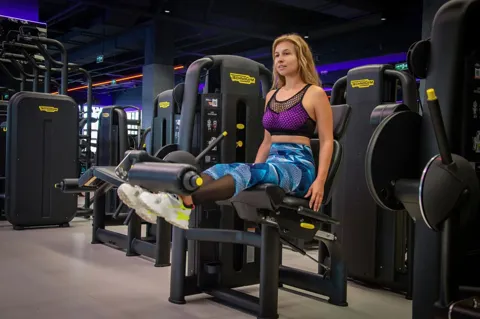 Learn exercises
Leg extensions and wall sits: target your quads
Want more direct work for the front of your thighs? Leg extensions, wall sits and sissy squats offer different ways to do it. Learn the movements and choose one for your equipment and experience.
Read guide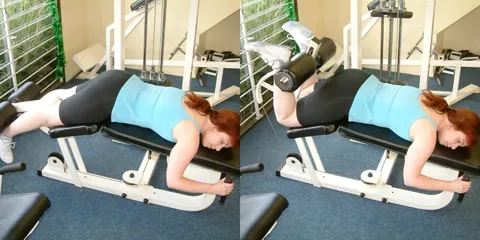 Learn exercises
How to train hamstrings with leg curls and Nordic curls
Knee-bending exercises give your hamstrings work alongside deadlifts. Learn machine leg curls and the more demanding Nordic curl, including ways to make the Nordic accessible when starting out.
Read guide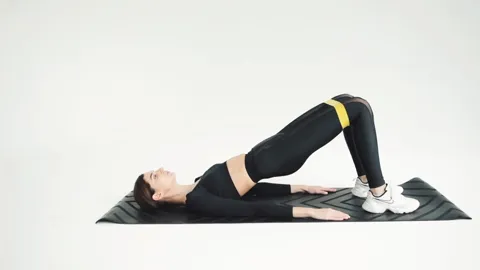 Learn exercises
Hip thrusts and glute bridges: how to train your glutes
On a mat or with a barbell, these exercises focus on extending your hips. Compare glute bridges, hip thrusts and kickbacks, and learn to finish the movement without pushing through your lower back.
Read guide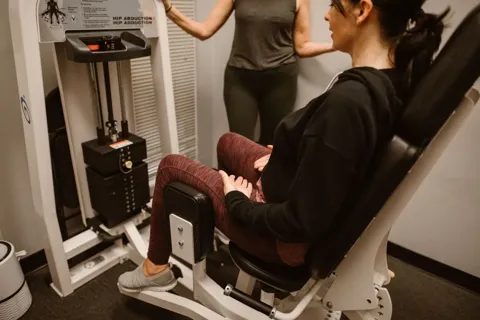 Learn exercises
Hip abductors and adductors: exercises for outer hips and inner thighs
What changes when you move your legs apart or bring them together? Learn which muscles do each job and how to add machine, cable or floor exercises to your leg training.
Read guide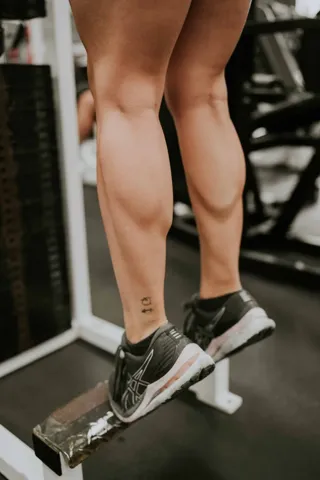 Learn exercises
Calf raises: standing and seated technique
Do your leg workouts end after squats and hamstring work? Calf raises add direct work for your lower legs. Learn to move through your heels with control and understand the difference between standing and seated versions.
Read guide- Learn exercises
How to shoulder press: dumbbells, barbell or machine?
Want to get stronger overhead? Shoulder presses train your shoulders and triceps. Learn the movement, compare seated and standing positions and choose a version for your equipment.
Read guide - Learn exercises
How to do lateral raises: dumbbells and cables
Lateral raises often need less weight than you expect. Learn to train your side delts without swinging your body, and compare dumbbells, cables and front raises.
Read guide 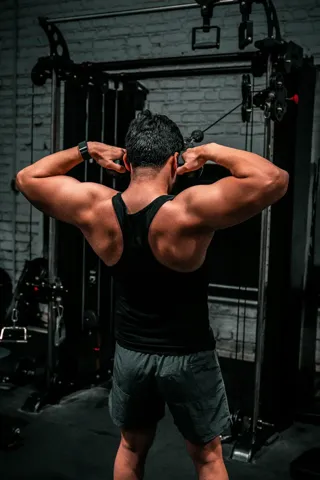 Learn exercises
Rear delt exercises: reverse flyes and face pulls
Presses often take up plenty of space in a workout. Reverse flyes and face pulls add direct rear-shoulder work. Learn the technique and choose a version that fits your back training.
Read guide- Learn exercises
Biceps curls: technique and variations for your arm workout
Curls are a straightforward addition to rows and pull-ups when you want to build your arms. Learn to curl without swinging and compare hammer, regular, supported and cable variations.
Read guide 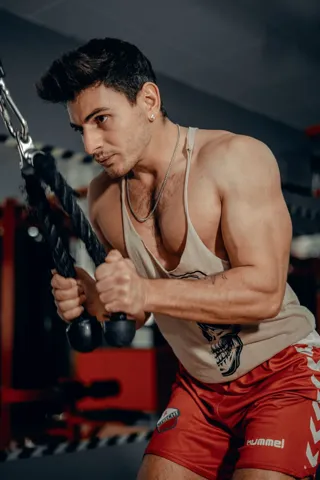 Learn exercises
Triceps exercises: pushdowns and overhead extensions
The back of your upper arm deserves attention too. Learn cable pushdowns and free-weight extensions, and see how to fit them alongside bench presses and dips.
Read guide- Learn exercises
Grip and trap training: carries, shrugs and forearms
Do your hands give out first during deadlifts or pull-ups? Direct grip work targets that part of the lift. Compare carries, wrist curls and shrugs and learn what each exercise trains.
Read guide - Learn exercises
Planks and dead bugs: build control through your core
Do your hips sag in a plank or your back lift during a dead bug? Find easier variations and clear technique cues, then learn how to make each exercise more challenging as your control improves.
Read guide 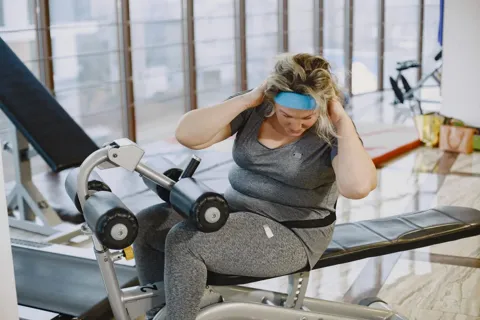 Learn exercises
Ab exercises: crunches, leg raises and the ab wheel
More ab training doesn't have to mean more sit-ups. Learn crunches, leg raises and ab-wheel rollouts, choose a version you can control and see how to progress it.
Read guide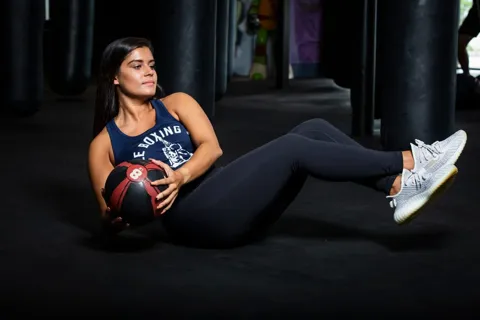 Learn exercises
Russian twists and cable woodchops: train controlled rotation
Want to add rotation to your core training? Learn seated Russian twists and cable woodchops, how your torso moves in each and which variation fits your workout.
Read guide- Learn exercises
Mat Pilates: exercises to get you started
All you need for these Pilates exercises is a mat and some room. Learn the roll-up, hundred and other movements step by step, with easier starting variations and ideas for a short home session.
Read guide 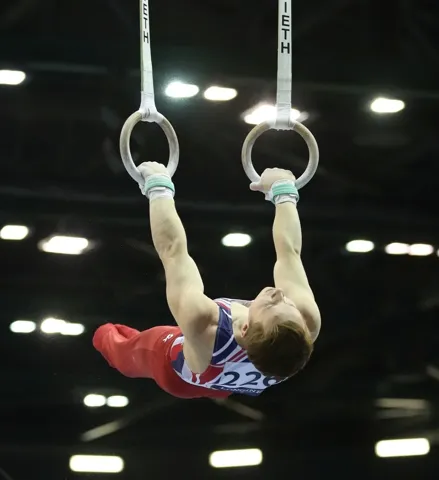 Learn exercises
How to learn the front lever: from tuck to straight body
Holding yourself horizontal under a bar takes back and core strength. You can start with your knees tucked. Learn the progressions and how to increase hold time or extend your legs without losing the position.
Read guide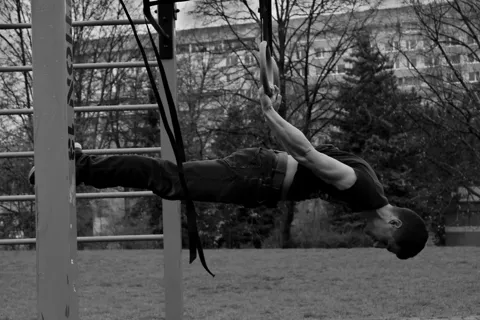 Learn exercises
How to learn the back lever: preparation and first holds
The back lever places your arms behind your body in an unfamiliar shoulder position. Learn the entry and exit on low rings before holding freely, using supported progressions for your first attempts.
Read guide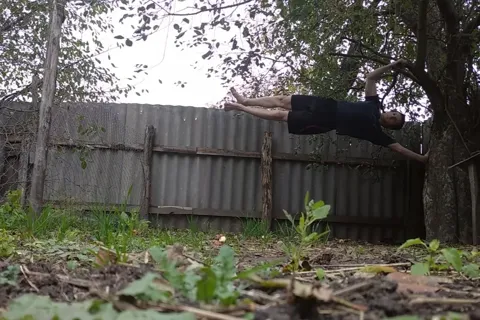 Learn exercises
How to learn the human flag: grip and progressions
The human flag takes more than strong abs: the top arm pulls and the bottom arm pushes. Learn that combination with your feet supported before working toward holding your legs out to the side.
Read guide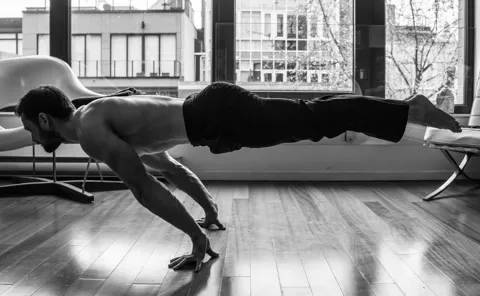 Learn exercises
How to learn the planche: leans, tucks and body tension
Holding your body on your hands alone is a demanding goal. Start by leaning forward with your feet supported. Learn planche leans and tucks and how to build the load on your hands and shoulders gradually.
Read guide Learn exercises
How to learn a muscle-up: pull, transition and support
Can you do pull-ups and dips but not a muscle-up? The transition over the bar or rings needs its own practice. Learn each phase and use assisted attempts to put them together.
Read guide- Learn exercises
Learn pike push-ups, handstand push-ups and L-sits
Want to get stronger and more confident on your hands? Pike and handstand push-ups train pressing, while wall walks practise moving into a wall-supported position. L-sits add raised legs to the support. Find a suitable starting variation.
Read guide - Learn exercises
Snatch, clean and jerk: technique for getting started
Weightlifting combines accelerating the bar with catching it securely. Learn how the snatch, clean and jerk differ and which practice movements help you learn the sequence before lifting heavier.
Read guide - Learn exercises
Burpees, thrusters and mountain climbers: exercises for conditioning
Want a short workout that gets you moving hard? Learn burpees, thrusters, mountain climbers and other conditioning exercises, with easier variations that help you find a pace you can maintain.
Read guide 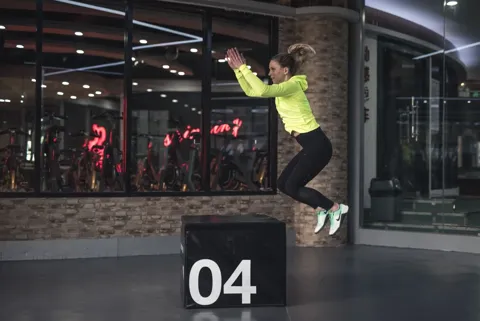 Learn exercises
Box jumps and jump squats: take-off and landing technique
Jumping higher starts with a good take-off and a controlled landing. Learn box jumps and jump squats, then choose a height and repetition count for your first sessions.
Read guide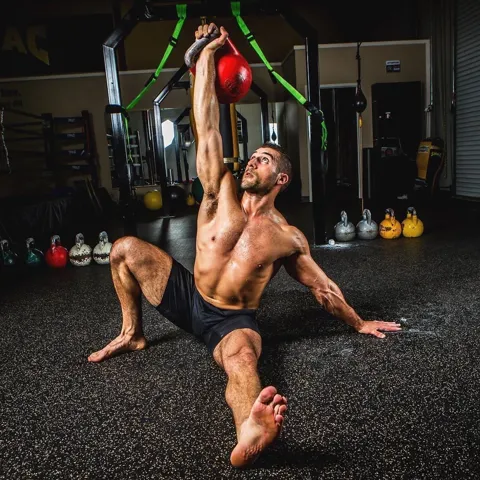 Learn exercises
How to do a Turkish get-up: from the floor to standing
A Turkish get-up takes you from lying down to standing and back with a weight overhead. The sequence can look complicated. Break it into positions and learn the transitions before adding a heavy kettlebell.
Read guide- Everyday habits
How to walk more each day and choose a step goal you can reach
Spend much of the day sitting? Choose a manageable step goal and find room for short walks, even on busy workdays.
Read guide - Everyday habits
Getting active again after a long break: an easy first week
Want to move more after a long break? Start with short walks and simple exercises at home, then build on the parts you enjoy.
Read guide  Mind and learning
How to remember what you read: simple habits that help it stick
Read something interesting, then forget the main points? Try active recall, brief notes and spaced review to remember more of what you read.
Read guide- Nutrition
How to lose weight healthily: a practical starting plan
Start losing weight with filling meals, realistic expectations and a simple weekly review. Build a plan that fits your life and protects your wellbeing.
Read guide - Nutrition
A calorie deficit for weight loss: how to work it out and use it
Understand maintenance calories, useful estimates and a manageable deficit. Use a worked example and clear review steps without rigid calorie rules.
Read guide - Nutrition
Weight loss plateau: what to do when the scale stops moving
Work through water fluctuations, changing energy needs and everyday routines. Find a sensible next step when weight loss slows or appears to stop.
Read guide - Nutrition
Losing weight without counting calories: meals that keep you satisfied
Use filling meals, consistent portions and a simple review to manage weight without calorie tracking. Includes practical meal and busy-day examples.
Read guide - Training styles
Strength training for weight loss: a two-day starting routine
Build a manageable lifting routine while losing weight, with sets, effort, progression and recovery explained through practical examples.
Read guide - Training styles
Cardio or weights for weight loss? How to combine both
Combine cardio and weights in a realistic week. Choose intensity, session order and progression while keeping recovery manageable.
Read guide  Everyday habits
Walking for weight loss: how to make it part of your day
Make walking part of weight management with a realistic starting point, pace, weekly example and step goal that fits your day.
Read guide- Training styles
Losing fat and building muscle: a guide to body recomposition
Understand who body recomposition may suit, how to train and eat, and how to interpret strength, waist and weight trends over time.
Read guide - Nutrition
What to eat to build muscle: meals, protein and portions
Plan everyday meals for muscle gain, understand energy needs and adjust food around training without a rigid bodybuilding menu.
Read guide - Nutrition
Lean bulking: build muscle while keeping weight gain gradual
Start a lean bulk with a modest food increase, compare changes across several weeks and decide when to maintain, increase or reduce your portions.
Read guide - Nutrition
Which diet suits you? Low carb, low fat and fasting compared
Compare four common eating approaches by food choices, flexibility and training compatibility, with a practical way to choose your starting point.
Read guide - Nutrition
Meal prep: good food for a busy week
Three complete meal-prep weeks, real recipes and a practical rhythm of batch cooking, fresh meals and safe freezing.
Read guide  Nutrition
Chicken, corn and black bean bake
A chicken, sweetcorn and black bean bake with lime and Parmesan. Full ingredients and method for four servings, with meal-prep storage tips.
Read guide Nutrition
Bean and vegetable wraps with lime yogurt
Four vegetarian wraps with beans, peppers, tomato and lime yogurt. Complete microwave instructions and practical tips for a packed lunch.
Read guide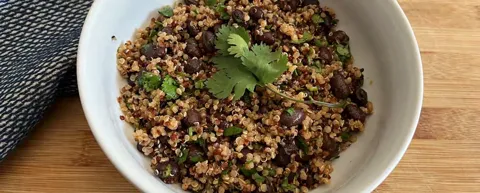 Nutrition
Lime quinoa and black bean salad
A vegan quinoa and black bean salad with lime and cilantro. Complete recipe for four servings, ready in about 30 minutes and suitable for lunchboxes.
Read guide Nutrition
Italian-style lentil, tomato and vegetable soup
A full vegan lentil soup recipe with tomatoes, carrot and celery. Makes four servings, with clear cooking steps and freezer instructions.
Read guide Nutrition
Creamy peanut butter overnight oats
Peanut butter overnight oats for one: full ingredients and instructions, five minutes of preparation and at least six hours in the fridge.
Read guide- Nutrition
Plant-based meal-prep week: lentil soup and lime quinoa
Five plant-based lunches with lentil soup and quinoa, complete shopping quantities, two cooking sessions and a clear fridge-and-freezer schedule.
Read guide - Nutrition
Meal-prep week with chicken bake and bean wraps
Chicken, corn and beans to begin the week, then vegetable wraps: five lunches with a shopping list, clear serving counts and safe storage.
Read guide - Nutrition
Vegetarian meal-prep week with less time at the stove
Lime quinoa and bean-and-vegetable wraps for five lunches, with exact shopping quantities and two short cooking sessions on Sunday and Tuesday.
Read guide - Plans and progress
4-Day Hybrid Training Plan: Lift Twice, Run Twice
A practical strength and running plan with two full-body workouts, two easy runs, a run-walk option and clear progression for your first weeks.
Read guide - Everyday habits
Japanese walking: a practical guide to walking intervals
Alternate easy and brisk walking with a short starter session, the 3+3-minute pattern and simple ways to fit walks into your week.
Read guide - Nutrition
Meal prep without a microwave: lunches you can eat cold
A two-lunch plan with lime quinoa, an overnight breakfast and practical advice for keeping packed food cold. Full recipes and clear storage guidance.
Read guide - Mind and learning
Does brain training actually work? What studies tell us
What brain-training research measures, how to read game scores and how to recognise progress in memory and focus exercises.
Read guide  Mind and learning
NeuroNation or LiftPal: which app fits your day?
NeuroNation or LiftPal? Compare thinking tasks, free features and progress views to find the app that fits your routine.
Read guide- Recovery
How to return to training after a break
Returning to training after a break? Learn how to choose starting weights, reduce sets and approach deloads or a return after illness.
Read guide  Training styles
LiftPal: your workouts, your goals and a wombat
LiftPal combines workout tracking, Daily Goals, short Flow activities and a customizable wombat. Explore the iPhone app and its features.
Read guide- Plans and progress
Plan calisthenics with LiftPal: pull-ups, skills and added weight
Plan editable four-to-eight-week calisthenics blocks with weighted training, skills, RIR targets and unplanned workouts in LiftPal.
Read guide - Everyday habits
Build habits and see your progress with LiftPal
Track habits and measurable progress goals in LiftPal, with flexible templates, optional streaks and a weekly check-in.
Read guide 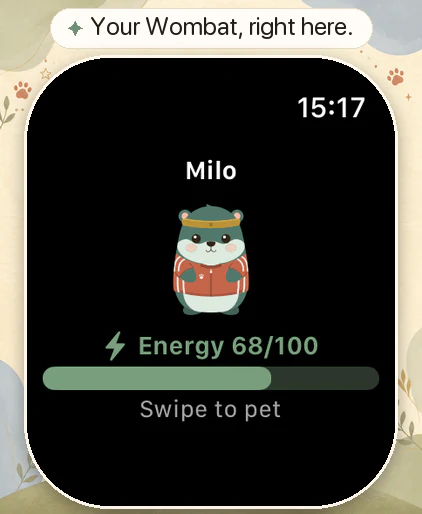 Training styles
Strength training on Apple Watch: log your sets with LiftPal
Log sets, weight and reps on Apple Watch. LiftPal keeps your rest timer, workout metrics and Wombat visible on your wrist.
Read guide- Plans and progress
RPE in strength training: how hard was that set?
What do RPE 6 to 10 mean? Learn to estimate reps in reserve and connect weight, repetitions and effort in your workout log.
Read guide - Plans and progress
Progressive overload: when to add weight or repetitions
When should you add weight? Use a simple progression rule with repetitions, RPE and an example across six workouts.
Read guide - Plans and progress
How to plan a mesocycle: build your next training block
Plan several weeks of training with suitable exercises, progression and lighter phases. Includes a complete sample training block.
Read guide - Mind and learning
Three quick brain training exercises to try right now
Try three quick exercises for memory, attention and logic, with answers, variations and more thinking tasks to explore in LiftPal.
Read guide - Mind and learning
Take a short thinking break with LiftPal Flow
Build a short, smooth Wombat Flow routine: change categories deliberately, keep transitions calm, and stop when the planned sequence is complete.
Read guide - Everyday habits
How to build new habits and make them easier to keep
Want a habit that lasts beyond the first week? Find a small starting point, a moment that fits your day and ways around common obstacles.
Read guide  Everyday habits
How small rewards can help you stay motivated
Learn how small rewards can help you stay motivated, with everyday examples of positive reinforcement for training, reading and daily goals.
Read guide- Training styles
How to track calisthenics progress: pull-ups, dips and skills
Track pull-ups, dips and skills with repetitions, hold times, assistance and added weight so your next session builds on the last.
Read guide - Plans and progress
A four-week calisthenics block for stronger weighted pull-ups
Four weeks of weighted pull-ups: three training days, heavier and lighter sets, supporting exercises and a clear progression rule.
Read guide