
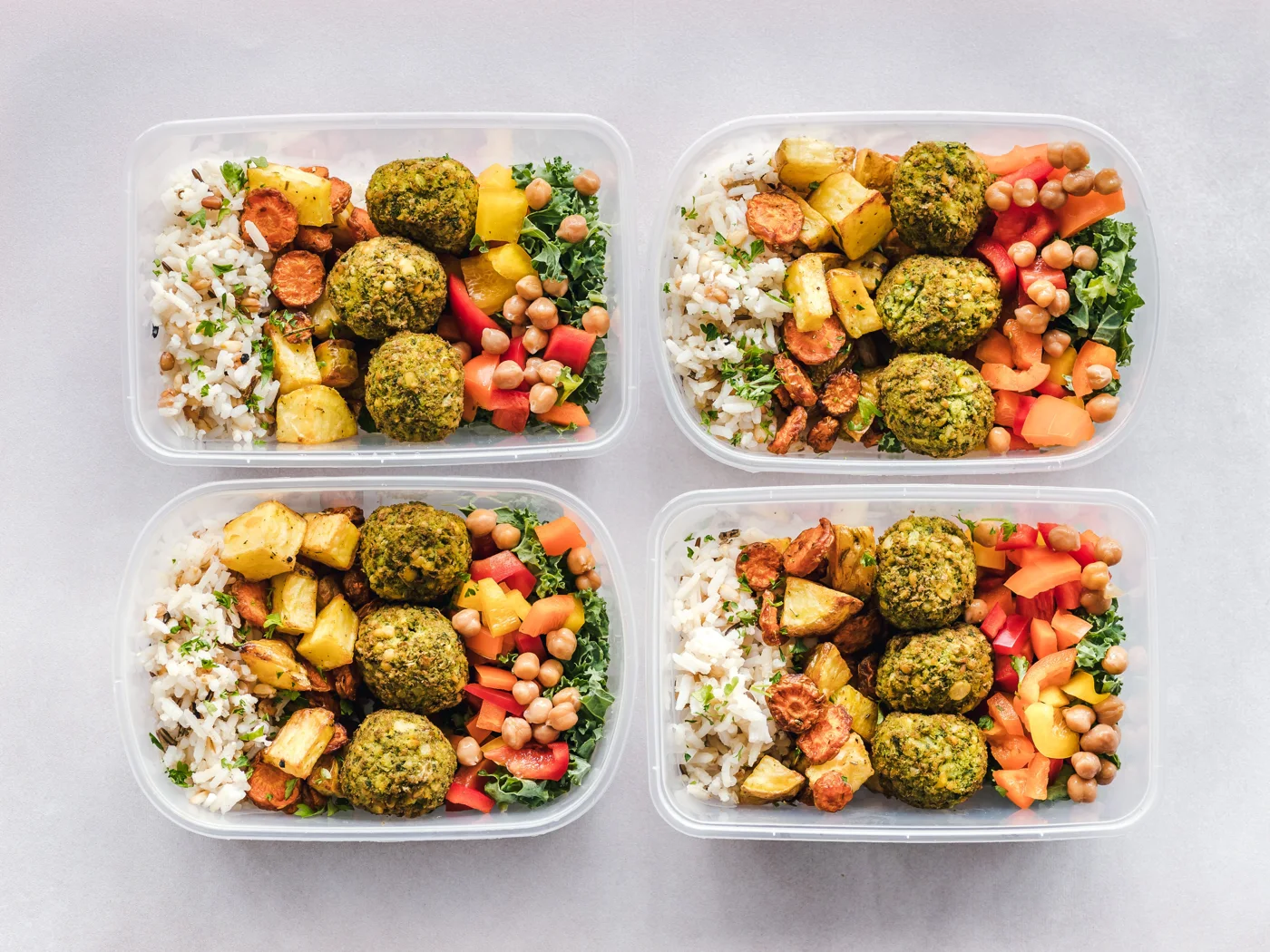
Which meals would make your day easier?
Perhaps you want to buy lunch less often, or just open a ready-packed box after a busy morning. These weeks are built around that need. Two prepared lunches are enough to start; breakfast and dinner can keep the routine that works for you.
Each week covers five lunches, Monday to Friday, for one person. It tells you when to cook, which portions go into the fridge and what goes into the freezer. Any extra servings have a place in the plan.
Choose a week you want to eat
Let your tastes and available cooking time guide you. The plant-based week combines lentil soup with lime quinoa. The mixed week pairs chicken bake with bean wraps. For the vegetarian week with less time at the stove, prepare quinoa and wraps.
Find the full recipes here
Each recipe includes quantities, cooking instructions and advice for preparing it ahead, with the original source below. Starting with a single dish is fine: make two servings, one for today and one for tomorrow. Once that makes life easier, build towards a full week.
Make the serving fit your appetite
A recipe serving gives you a starting point. If lunch leaves you hungry soon afterwards, you may need more of the dish or a side. Bread, rice or another potato can help on an active day. Keep vegetables and a protein source such as pulses, tofu, eggs, fish or chicken in the meal.
For two people, start by doubling the recipe quantities specified in the week. Breakfasts, drinks and dinners need their own place on the shopping list. Five lunches should not accidentally become your entire food shop.
Keep the next meals in the fridge
These plans allow up to 48 hours in the fridge for cooked meals. Portions for later days are cooled and frozen promptly on cooking day. Shallow containers help food cool; refrigerate perishables within two hours, or one hour above 32 °C. Keep the fridge at 5 °C or colder.
If you prepare rice outside these plans, it needs a shorter turnaround: cool it quickly, ideally within an hour, then eat refrigerated rice within 24 hours or freeze it promptly. A warm pan of rice should not sit on the stove overnight.
Keep lunch pleasant to eat
Store tortillas separately from their filling and add tomato and yogurt sauce when you eat. That keeps the wraps from turning soggy in the box. For the commute, use a cool bag with ice packs, then put lunch in the fridge when you arrive.
Thaw frozen portions in the fridge. Reheat only the serving you need, once, until hot throughout; USDA recommends 74 °C at the centre for leftovers. Stir microwave meals and check the middle as well as the edges. Follow stricter package instructions where applicable.
Your first Sunday can stay small
One dish, clean containers and some fridge space are enough to begin. By Tuesday you will probably know whether you enjoy having that meal ready or would prefer different seasoning or a larger serving. That experience helps shape the next week.
If having lunch ready makes your week easier, you can save the preparation habit as a Daily Goal in LiftPal. “Prepare two lunches” is done once the portions are safely chilled and stored. You can plan your training days alongside it, so food is ready when the day is full.
Try a tool
Read next
 NutritionPlant-based meal-prep week: lentil soup and lime quinoa
 NutritionMeal-prep week with chicken bake and bean wraps
 NutritionVegetarian meal-prep week with less time at the stove
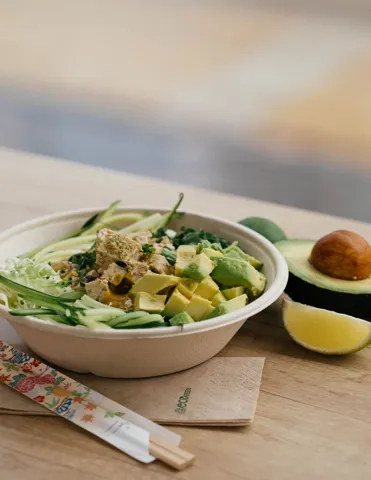 NutritionHealthy eating made easier: meals and staples for busy days
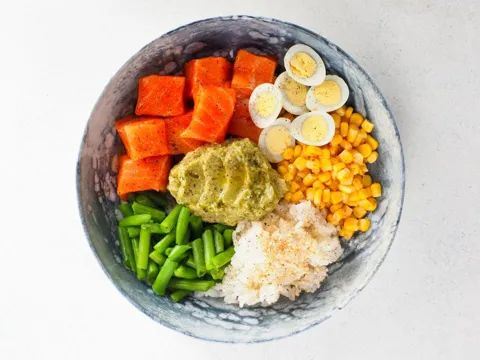 NutritionWhat to eat to build muscle: meals, protein and portions
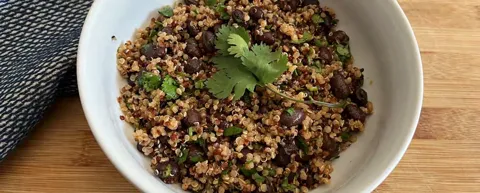 NutritionMeal prep without a microwave: lunches you can eat cold
Sources
- US Department of Veterans Affairs: Cost-Friendly Cooking (2026) ↗
- Food Standards Agency: Chilling food correctly ↗
- Food Standards Agency: Cooking your food ↗
- USDA: Household measure weights ↗
- USDA: Nutritive Value of Foods — shredded Cheddar ↗
- USDA FSIS: Leftovers and food safety ↗
- Food Standards Agency: Home food fact checker — rice ↗
Ella Olsson / Pexels · Pexels License · Resized and converted to WebP for this website.
VA Healthy Teaching Kitchen · Public domain · U.S. Department of Veterans Affairs
Dziana Hasanbekava / Pexels · Pexels License · Resized and converted to WebP for this website.