
How much protein makes sense for strength training?
For healthy adults who train regularly and want to build muscle, the ISSN suggests roughly 1.4 to 2.0 grams of protein per kilogram of body weight daily. At 70 kilograms, that is 98 to 140 grams. Start with an amount you can comfortably reach through normal meals. The top of the range is not a compulsory daily target.
This sports guidance serves a different purpose from general reference intakes. Two short activity sessions do not automatically call for a high protein target. Age, training goals and overall energy intake also matter. Keep familiar protein sources in your meals on rest days too. If you have kidney disease or a prescribed diet, agree the amount with your care team.
| Body weight | Example daily range | Calculation |
|---|---|---|
| 60 kg | 84–120 g | 60 × 1.4 to 60 × 2.0 |
| 70 kg | 98–140 g | 70 × 1.4 to 70 × 2.0 |
| 80 kg | 112–160 g | 80 × 1.4 to 80 × 2.0 |
Fit protein into meals you already enjoy
You can build on the food you already eat. Yogurt or a high-protein soy alternative works at breakfast, beans or tofu at lunch, and eggs or lentils at dinner. If a meal is mostly bread, pasta and vegetables, add one of these sources. The label tells you how much protein your usual serving provides.
What roughly 100 g can look like in a day
This vegetarian example illustrates portions rather than prescribing a menu. Protein values are rounded from typical food composition; check your products. Add vegetables, fruit, fats and enough food for your energy needs. The four meals provide roughly 100 g in total, close to the lower end of the earlier example for a 70 kg exercising adult.
| Meal | Example protein-containing foods | Approximate protein |
|---|---|---|
| Breakfast | 60 g oats with 250 ml soy drink | 17 g |
| Lunch | 200 g firm tofu (assuming 16 g protein per 100 g) with 200 g cooked wholegrain pasta | 44 g |
| Dinner | 250 g cooked potatoes with two eggs | 19 g |
| Snack | 150 g quark or a similar fresh dairy product with a comparable label | 19 g |
Build plant-based meals
Pulses, tofu, tempeh, soy yogurt, nuts and grains can all contribute. Try rice with edamame or lentil soup with bread. Check that the meal contains a substantial protein source: a small sprinkle of nuts on a salad plays a different role from a portion of beans or tofu. Choose combinations you enjoy and can prepare regularly.
Make the meal after training easy
Plan something you can realistically eat after a session, such as pasta with lentil sauce or a sandwich with yogurt. If dinner will be much later, a prepared snack can help. You do not need to chase a deadline measured in minutes. For ordinary meal planning, first make sure your intake across the day is covered.
Replacing dairy and eggs while keeping protein
Tofu varies considerably: a soft product may contain less protein than a firm one. Likewise, a coconut dessert and a soy yogurt are not interchangeable protein sources. If you replace eggs or dairy, compare the actual portion and label, then use beans, lentils, tofu or another suitable food to fill the gap.
When your lifts stall, another shake is not always the answer. Regularly missing lunch, sleeping too little or doing an unsuitable amount of training can hold you back too. If your protein meals are already covered, these everyday issues deserve attention first.
Decide whether a shake is useful
A shake is quick to prepare and easy to carry. It can help when there is little time to eat between work and training. Compare protein per serving, price and how well you tolerate it with a convenient snack such as yoghurt or a soy product. Choose what works in your day; muscle growth depends on your overall protein intake and regular training.
Try a tool
Read next
 NutritionHealthy eating made easier: meals and staples for busy days
 Training stylesBodybuilding: a practical start to building muscle
 AnatomyWhich muscles do your exercises work? Training anatomy explained
 NutritionWhat to eat to build muscle: meals, protein and portions
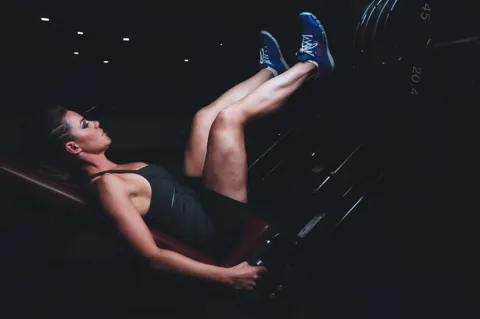 Training stylesStrength training for weight loss: a two-day starting routine
Sources
- ISSN position stand: protein and exercise (2017) ↗
- DGE: Proteinzufuhr im Sport (2020) ↗
- DGE: Protein FAQ, food composition and portion examples ↗
- DGE: Positionspapier zur Proteinzufuhr im Sport (2020) ↗
Alesia Kozik / Pexels · Pexels License · Resized and converted to WebP for this website.
Scott Webb / Pexels · Pexels License · Resized and converted to WebP for this website.
cottonbro studio / Pexels · Pexels License · Resized and converted to WebP for this website.
Alex Saks / Unsplash · Unsplash License · Resized and converted to WebP for this website.