
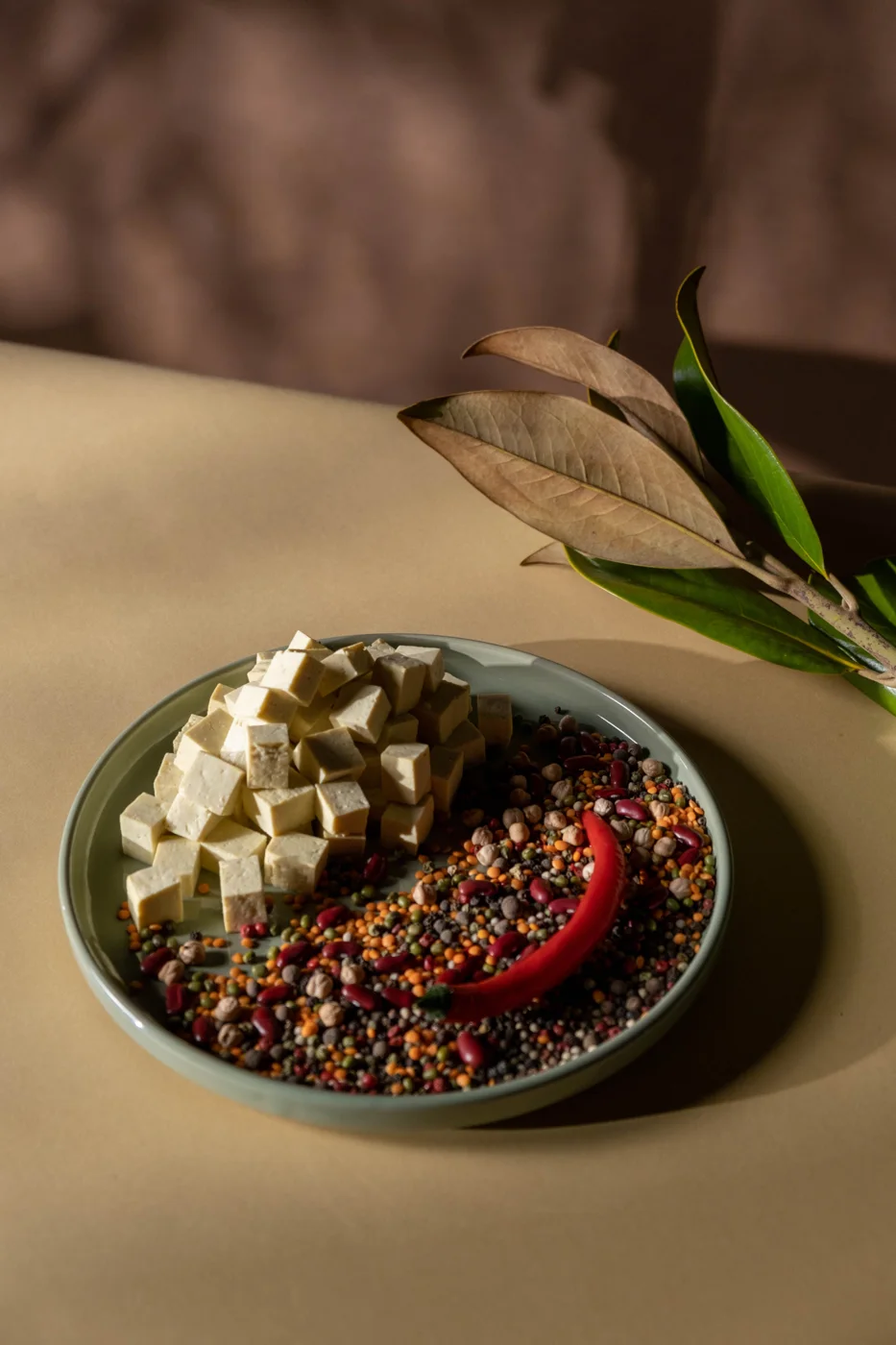
Give the protein food a proper place on the plate
Tofu, tempeh, beans, lentils, edamame and soy mince can form the centre of a meal. Nuts, seeds and hummus add flavour and some protein, but a small topping usually contributes less than a generous serving of these main foods.
For dinner, picture rice with tofu and vegetables, pasta with a lentil sauce, or potatoes with a bean salad. Choose something you enjoy enough to repeat. The amount of protein depends on the food and how much you serve; the label helps you work out your usual portion.
Can plant protein support muscle growth?
Yes. In a 12-week study, 38 young men who were habitual vegans or omnivores completed strength training. Protein intake was matched at about 1.6 g per kilogram daily using soy or whey supplements alongside food. Both groups gained muscle and strength similarly.
That gives useful evidence that a planned plant-based diet can support training. It does not mean any vegan menu automatically contains enough protein: the researchers deliberately matched the amount. Your everyday job is much simpler than recreating the study. Include substantial protein foods and eat enough overall to support your sessions.
Use the label to make portions less mysterious
Dry lentils, cooked lentils and drained canned lentils have different amounts of water, so their values per 100 g are not interchangeable. Read the value for the food in the state you actually weigh and eat. With canned food, the drained weight often matters more than the size of the tin.
A simple calculation helps: if your tofu label says 15 g protein per 100 g, 200 g provides 30 g. That is an example using a stated label, not a promise about every tofu. Softer tofu, firm tofu and ready-made meat alternatives can differ considerably.
Mix sources across the day
Protein supplies amino acids, the building blocks your body uses for muscle and other tissues. Plant foods contain different proportions of them. Eating a variety of sources across the day makes it easier to cover your needs; each plate does not need a perfectly calculated combination.
Try oats with a protein-rich soy yogurt alternative at breakfast, lentils and bread at lunch, then tofu with rice at dinner. Check dairy alternatives carefully: coconut or almond products can contain much less protein than soy-based ones. Keep them if you like them, and add another protein source where needed.
Make bigger meals comfortable and affordable
If a huge bowl of beans leaves you uncomfortable, use a smaller serving alongside tofu or tempeh. Increase pulses gradually. Canned beans are convenient, and rinsing them removes the packing liquid. Frozen edamame can be prepared according to the package without cooking an entire pot of dried beans.
Compare prices by the usable amount. Dried lentils, canned beans and soy mince often make practical staples, but the best buy depends on local prices. Keep rice, pasta, potatoes or bread in the meal too. Enough energy makes it easier to train and avoids turning dinner into an enormous pile of vegetables.
Think beyond protein on a fully vegan diet
A fully vegan diet also needs a reliable vitamin B12 plan, usually involving a suitable supplement. Calcium, iodine, iron, vitamin D and other nutrients deserve attention too. Fortified soy drinks and yogurts can help, but fortification differs between products and countries.
Vitamin C foods such as peppers or fruit support absorption of plant iron when eaten with an iron-containing meal. These details matter more than buying a second protein product. A dietitian can help if you have allergies, a medical condition or difficulty meeting your needs with the foods available to you.
Start with two meals you actually want again
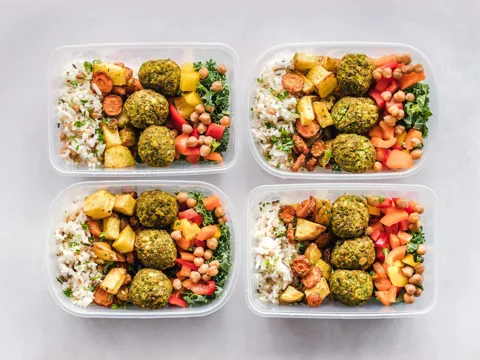
Choose one quick lunch and one dinner for the coming week. Buy enough of their main protein ingredients, then keep the accompaniments flexible. A lunch with rice and tofu can have carrots one day and broccoli another without requiring a completely new shopping list.
The protein guide helps you estimate a useful daily range. The meal-prep articles take you through recipes with quantities and cooking instructions and safe storage. Once the food feels manageable, keep your training consistent long enough to notice the progress.
Try a tool
Read next

Sources
- Hevia-Larraín et al. (2021): Plant-based and omnivorous diets during resistance training ↗
- NHS: The vegan diet ↗
- NIH Office of Dietary Supplements: Exercise and Athletic Performance ↗
- British Dietetic Association: Healthy packed lunches ↗
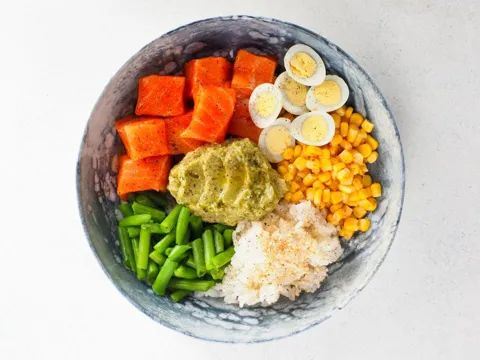
cottonbro studio / Pexels · Pexels License · Resized and converted to WebP for this website.
Ella Olsson / Pexels · Pexels License · Resized and converted to WebP for this website.