
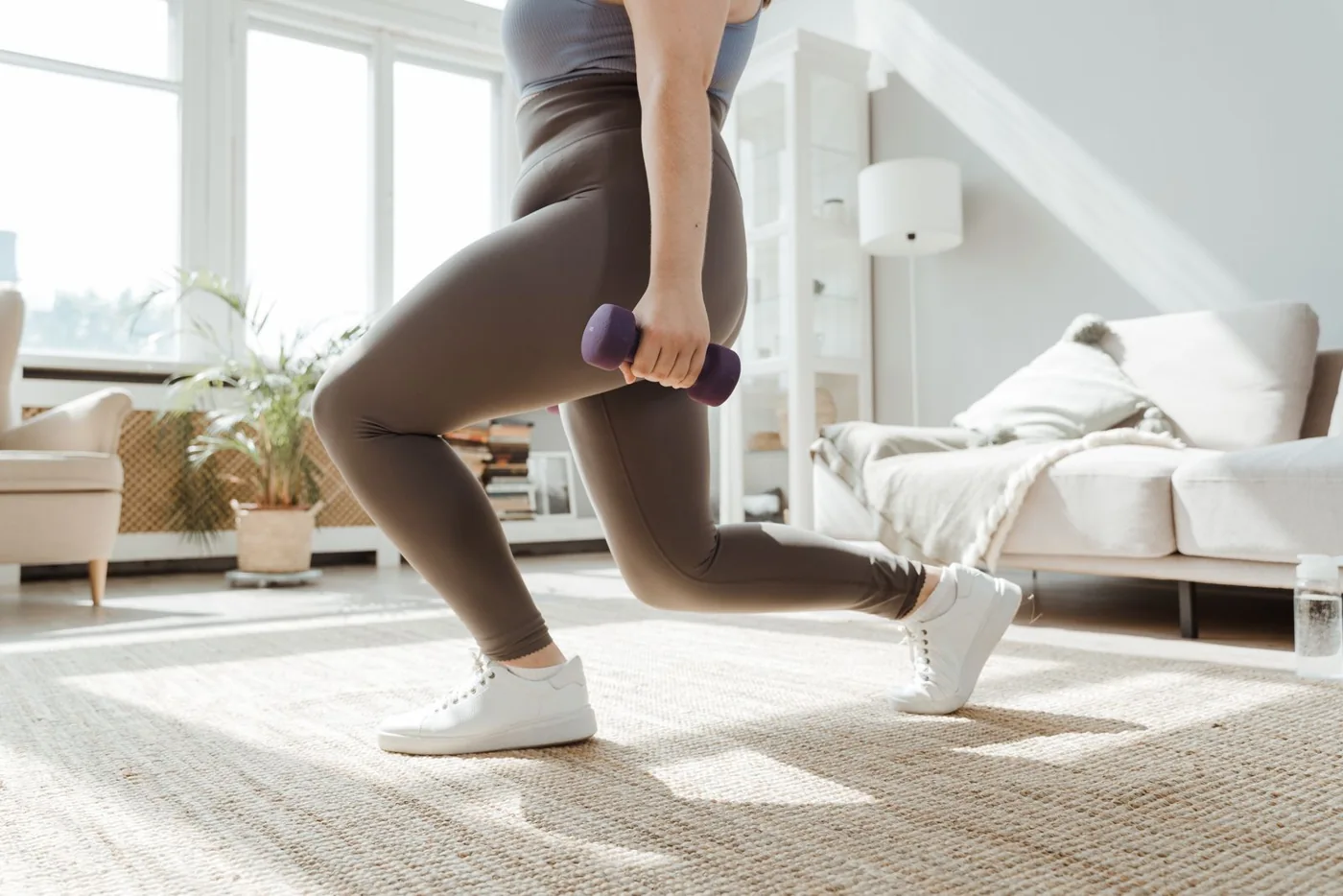
Who this plan suits
Include equipment setup in your time budget. You need safe rowing equipment or a dumbbell alternative. Training at home still needs a way to practise pulling.
Your sessions
Follow the exercises in order. The listed sets are your working sets after warming up. Use the rest periods shown between sets.
Session 1
- Sets
- 2
- Reps / duration
- 6–10
- Rest
- 1 min
- Sets
- 2
- Reps / duration
- 6–10
- Rest
- 1 min
- Sets
- 2
- Reps / duration
- 8–12
- Rest
- 1 min
- Sets
- 1
- Reps / duration
- 6–8 per side
- Rest
- 1 min
Session 2
- Sets
- 2
- Reps / duration
- 6–10
- Rest
- 1 min
- Sets
- 2
- Reps / duration
- 6–10
- Rest
- 1 min
- Sets
- 2
- Reps / duration
- 6–8 per side
- Rest
- 1 min
- Sets
- 1
- Reps / duration
- 10–15
- Rest
- 1 min
A sample week
| Day | Session |
|---|---|
| Monday | Session 1 |
| Tuesday | Rest or easy everyday movement |
| Wednesday | Rest or easy everyday movement |
| Thursday | Session 2 |
| Friday | Rest or easy everyday movement |
| Saturday | Rest or easy everyday movement |
| Sunday | Rest or easy everyday movement |
Warm up for your workout
Prepare the first movements with an easier variation and a few comfortable repetitions. Raise the support for push-ups or stand more upright for rows. These practice sets come before working sets. Check anchors and supporting surfaces before loading them.
How to use the sessions
2 × 6–8 means two sets of six to eight repetitions. Finish ordinary working sets with roughly two good repetitions left. End holds before you lose the position. Rest periods apply between sets; extend them if you cannot otherwise control the next movement.
Your first four weeks
Eight push-ups become ten, or rows feel easier at the same ring height. These are changes you can recognise. Keep the height, assistance and pace similar when comparing sessions. Once every set reaches the top of its range with some effort to spare, try the next harder variation. Note the change so you know where to start next time.
| Week | What to do |
|---|---|
| 1 | Choose manageable variations and record the settings. Start unfamiliar movements with one fewer set. |
| 2 | Repeat the sessions. Add repetitions only where you can keep the movement consistent. |
| 3 | Check the progression described for your focus below. Keep other exercises unchanged for now. |
| 4 | Compare similar sessions. If tiredness persists, remove one working set per exercise; otherwise continue the plan. |
Progress your chosen focus
Keep two working sets per exercise. Add repetitions within the range first, then use a slightly harder body position. Do not shorten rests to squeeze in another progression. On slower days, omit the final exercise instead of rushing movements.
When you need a different exercise
Use a suitable raised surface for push-ups and a more upright row position. A supported dumbbell row works without rings or a bar. Allow extra time on your first session to find the right variations calmly.
When an exercise stops progressing
- One weaker day is not a plateau. Compare the same exercise, similar rests and consistent technique across several sessions.
- Were your rests short, or were you tired before starting? Try the same variation on a better-rested day with the planned breaks between sets. Keep assistance and range of motion the same too.
- If several exercises decline together and tiredness persists, halve your working sets for a week. Return with a variation you can control and gradually rebuild the amount of work.
When to end a set
End the set when you clearly shorten the movement, need momentum or lose control of your position. Muscular effort and faster breathing are expected. Sudden sharp pain, dizziness or unusual symptoms are reasons to stop the exercise or session. Have persistent or recurring pain assessed before continuing to load the affected movement.
Know where to start next workout
Record the variation, assistance or added load alongside sets and repetitions in LiftPal. You can return to the same conditions in your next workout.
Try a tool
Read next
 Training stylesStarting calisthenics: build strength with your bodyweight
 Plans and progressBeginner calisthenics: two approachable full-body days
 Plans and progressSets, reps and working weight explained
 Plans and progressProgressive overload: when to add weight or repetitionsPlans and progressRPE in strength training: how hard was that set?
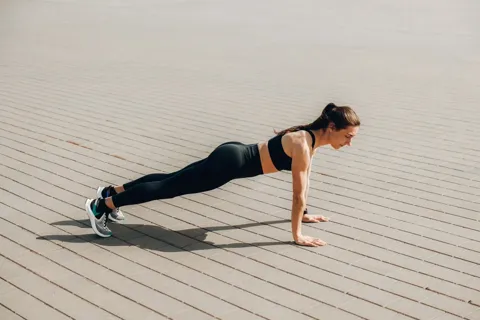 Learn exercisesHow to do push-ups: your first rep and what comes next
Sources
- ACSM (2026): Resistance Training Prescription for Healthy Adults ↗
- ACSM (2026): Updated resistance training guidance, including bodyweight and home training ↗
- Zourdos et al. (2016): Repetitions-in-reserve RPE scale ↗
MART PRODUCTION / Pexels · Pexels License · Resized and converted to WebP for this website.
Ali Alcántara / Pexels · Pexels License · Resized and converted to WebP for this website.
KoolShooters / Pexels · Pexels License · Resized and converted to WebP for this website.
Maksim Goncharenok / Pexels · Pexels License · Resized and converted to WebP for this website.