What you train
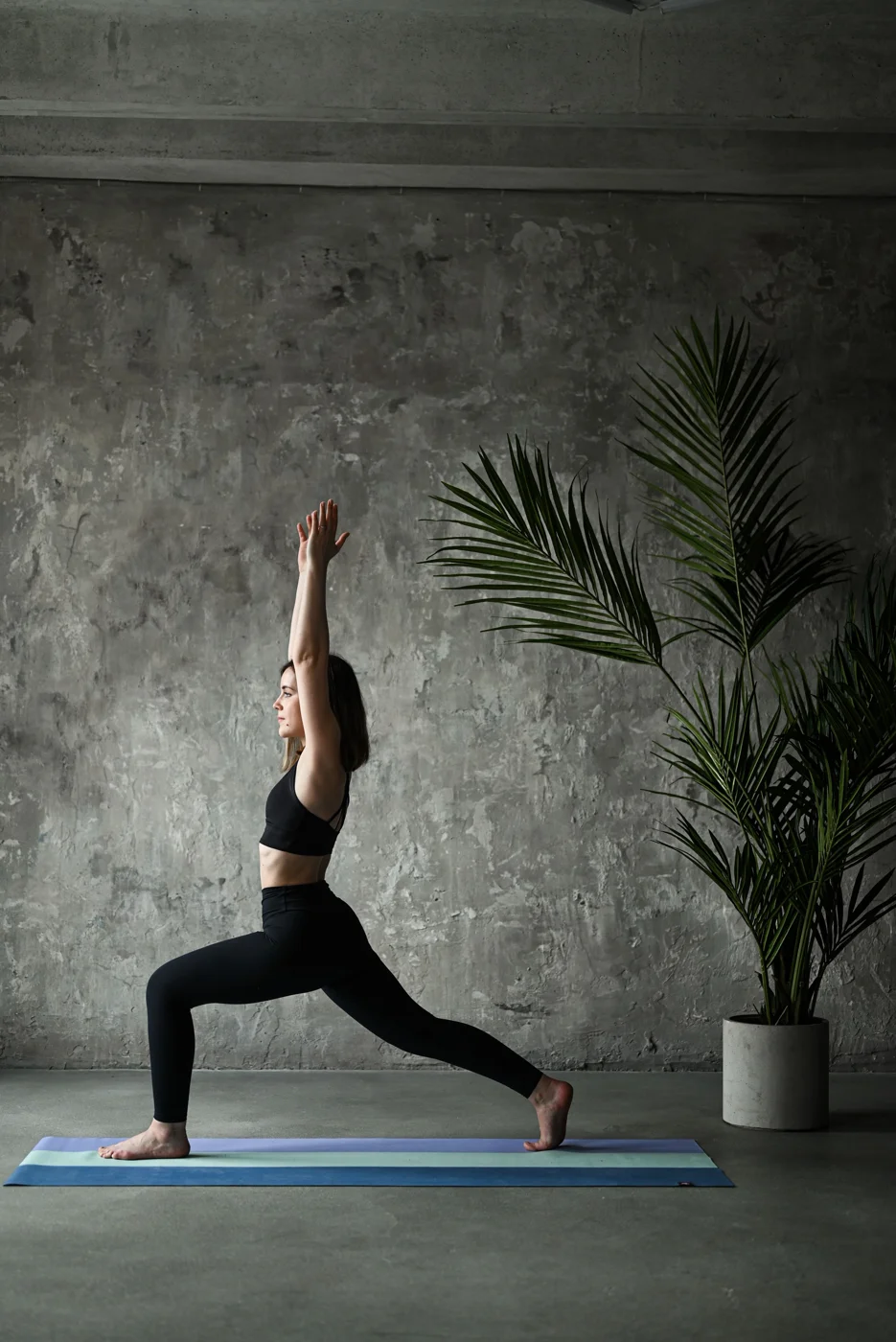
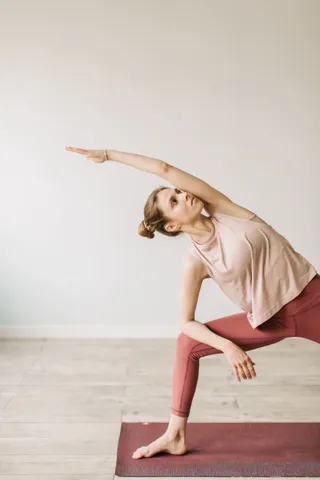
Standing poses such as tree pose practise balance. Supporting your weight with your arms challenges the upper body and trunk, while slow transitions teach you to control movement. The mix of strength, range of motion and quiet practice depends on the sequence. A beginner Hatha class often gives you time to set up each pose. Vinyasa links movements into a flowing sequence. Ask about pace and easier variations before your first class so you can choose a suitable start.
How to get started
Begin with a short instructed session. Learn a standing position, a simple balance and calm breathing. Use blocks or raised hand support where helpful. Avoid forcing your body into a particular shape.
One way to arrange your week
Choose two times when you can practise without rushing, such as a weekday evening and Saturday morning. Repeat the same short sequence at first. You will spend less time looking things up and soon know which position comes next. If you miss a session, pick it up at your next available time.
| Day | Focus |
|---|---|
| Monday | 15-minute gentle beginner class |
| Thursday | Repeat familiar postures and breathing |
How to recognise progress
Notice whether you enter positions with more control and steadier breathing. Flexibility is only one possible form of progress. Extreme stretching or pain does not make a movement better.
Combining yoga with other goals
A quiet class can fit a recovery day. A demanding flow adds training stress, so account for it in your week. Regular walking, cycling or running can support endurance goals; specific resistance exercises address strength goals. If you have an existing condition or are pregnant, discuss adaptations with appropriate professionals. A class should offer easier options without requiring you to hold painful positions.
Does it fit your life?
Decide whether you want a quiet practice, guided movement or a dynamic class. Try the pace before committing to a long membership. At home, a regular space with your mat and props ready makes starting easier.
Try a tool
Read next
 Plans and progressA beginner yoga plan: two short sessions for four weeks
 Training stylesYoga or Pilates: which practice suits you?
 Everyday habitsHow to walk more each day and choose a step goal you can reach
 Plans and progress10-minute yoga: a short beginner sequencePlans and progressGentle yoga: 15 minutes with plenty of support
Sources
ph.galtri / Pexels · Pexels License
Mikhail Nilov / Pexels · Pexels License
stu_spivack, Wikimedia Commons · CC BY-SA 2.0 · Resized and converted to WebP for this website.