LiftPal · Body & Mind
Training styles
Practical guides, examples and useful next steps.
Back to all guides
Is your AI workout plan any good? Check it before you start
Read guide
Equipment taken? Find an exercise that fits your workout
Read guide
First time at the gym alone? A clear plan for your first 30 minutes
Read guideResults: 44
 Training styles
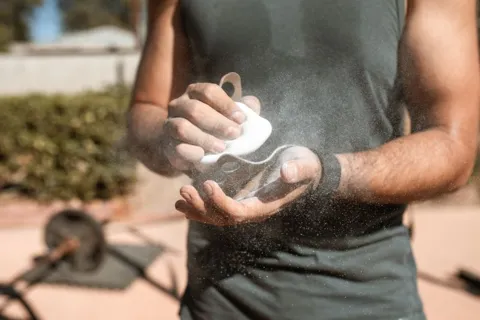
Is your AI workout plan any good? Check it before you start
Check the schedule, equipment, workload and progression with a practical worksheet and a complete two-day example you can actually use.
Read guide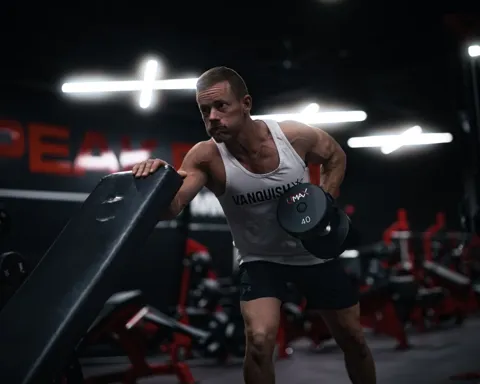 Training styles
Equipment taken? Find an exercise that fits your workout
Ten common gym exercises, useful alternatives, required equipment and the differences that matter when you switch.
Read guide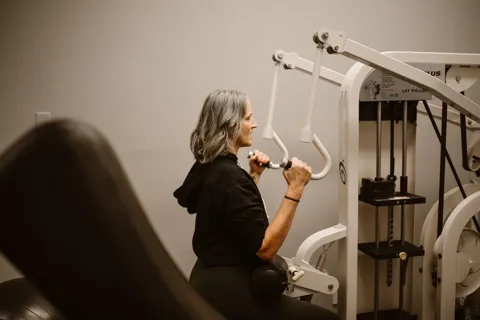 Training styles
First time at the gym alone? A clear plan for your first 30 minutes
What to bring, how to ask for help and how to start with three machines. A practical walkthrough for your first gym visit.
Read guide Training styles
HYROX compromised running: find out why your pace drops after stations
Compare your running pace fresh and after a station. Use a repeatable trial, worked timing example and clear next step for your training.
Read guide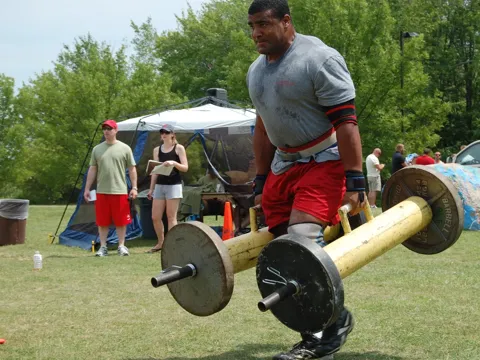 Training styles
HYROX Doubles with different fitness levels: plan your station splits
One of you runs faster and the other lifts more? Build a doubles strategy with two worked approaches and a practical station planning card.
Read guide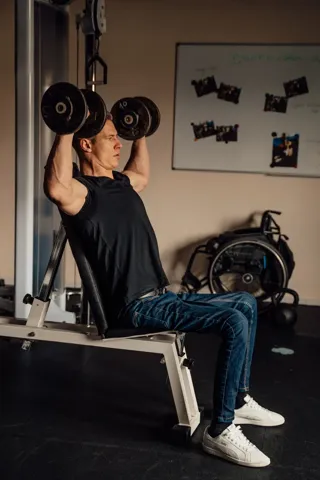 Training styles
How to log dumbbell weight: per hand or combined?
Two dumbbells, alternating curls or single-arm rows? Five worked examples explain the load, repetitions and side notes to put in your training log.
Read guide Training styles
Workout Buddy for strength training: Does it track weights and reps?
See what Workout Buddy offers for lifting, which devices it requires, and how to record the weights, reps and set effort you need next time.
Read guide Training styles
Duplicate workouts in Apple Health: Find where the extra entry comes from
Trained once but see two workouts? Compare times, sources and data types, identify an extra export and keep the correct workout record.
Read guide Training styles
Is One Set per Exercise Enough? Make a Short Workout Count
A practical single-set routine, a time comparison and clear ways to progress. Find out when a small amount of training fits your goal.
Read guide Training styles
Does Bench Press Count for Triceps? Count Direct and Indirect Sets
Three complete training weeks with worked chest, back and arm calculations. Separate direct sets from estimated contributions without double-counting your log.
Read guide Training styles
Lengthened Partials vs Full Reps: What Should You Compare?
Understand long-length partial repetitions, choose a repeatable range and keep useful training records. Includes movement examples and worked log entries.
Read guide Training styles
Full Body, Upper/Lower or PPL: Choose a Split for 2–4 Days
Compare realistic weekly calendars, session length and missed-workout options. Find the split that fits two, three or four training days.
Read guide Training styles
How Many Warm-Up Sets Do You Need? Three Worked Examples
Choose ramp-up weights, repetitions and rests before your first heavy lift, a later similar exercise and a lighter machine movement.
Read guide Training styles
How Long Should You Rest Between Sets? Keep Performance and Time in Balance
Practical rest periods for heavy lifts and muscle growth, a complete workout-time calculation and a log example for comparing your own sessions.
Read guide Training styles
Missed a workout? How to rearrange the rest of your week
Three worked calendars show how to continue a full-body, push/pull/legs or upper/lower plan after a missed workout without cramming in extra sets.
Read guide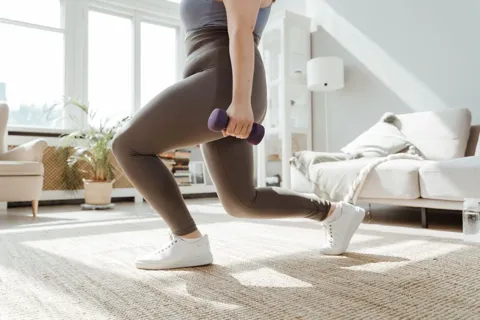 Training styles
Your first half marathon: where strength training fits
Add two short strength sessions to an existing half-marathon plan, with a weekly calendar, exercises and adjustments around long runs and race day.
Read guide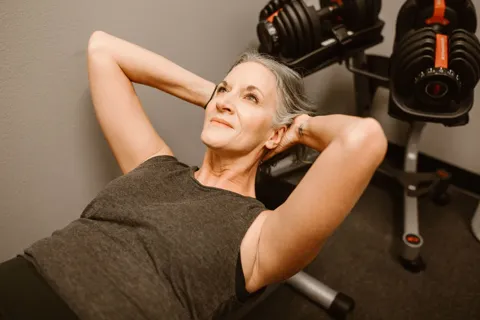 Training styles
Strength Training Over 60: Five Exercises to Get Started
Start strength training after 60 with five home exercises, two weekly sessions, sensible starting weights and a clear way to progress.
Read guide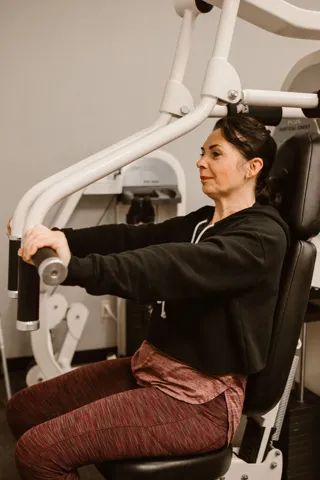 Training styles
Strength Training During Menopause: A Practical Starting Plan
Build a strength routine during menopause with two weekly sessions, useful exercises and sensible adjustments after difficult nights.
Read guide- Training styles
Should You Train to Failure or Leave Reps in Reserve?
How close to failure should a set be? Understand RIR, clean repetitions and when a harder final set makes sense, with practical lifting examples.
Read guide 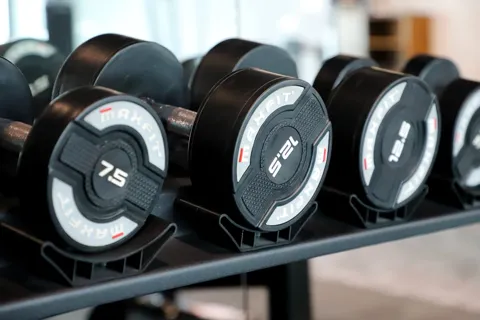 Training styles
Supersets: Save Gym Time with Exercise Pairs That Work
Choose useful superset pairings, get the rest periods right and try a complete strength session built around three pairs.
Read guide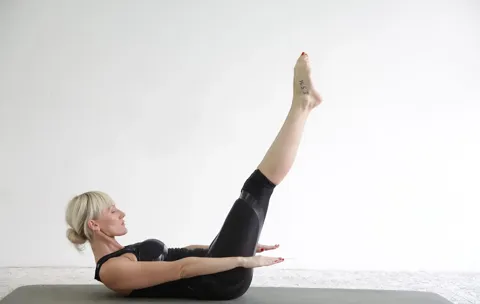 Training styles
Pilates and Strength Training: A Three-Session Weekly Plan
Combine two strength days and one Pilates class with a complete schedule, lifting exercises and practical recovery adjustments.
Read guide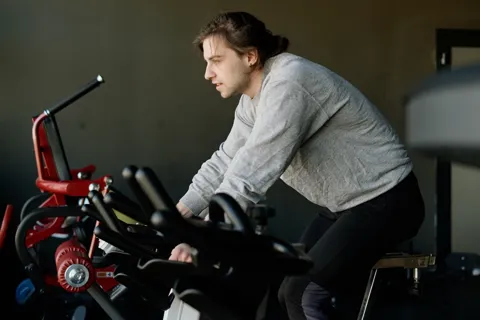 Training styles
Zone 2 and strength training: how to fit both into your week
Build endurance alongside lifting. Find an easy pace, try a short first session and arrange cardio around your strength workouts.
Read guide Training styles
Rucking for beginners: Your first walks with a weighted backpack
How to choose and pack a backpack, start with a manageable load and fit rucking around strength training without rushing the progression.
Read guide- Training styles
Strength plateau: Why your weights have stalled and what to change
Lifting the same weights for weeks? Use your workout history to work out whether rest periods, load jumps, training volume or recovery need attention.
Read guide 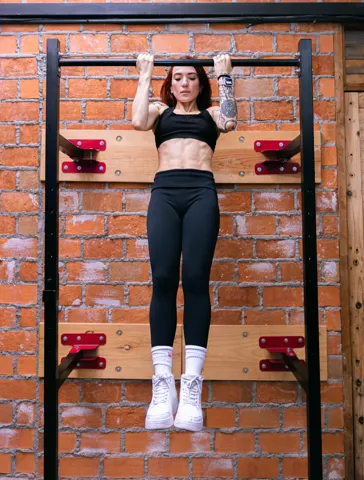 Training styles
Starting calisthenics: build strength with your bodyweight
Push-ups, pull-ups and controlled support positions turn your body into the training load. Start with suitable variations and a schedule you can repeat.
Read guide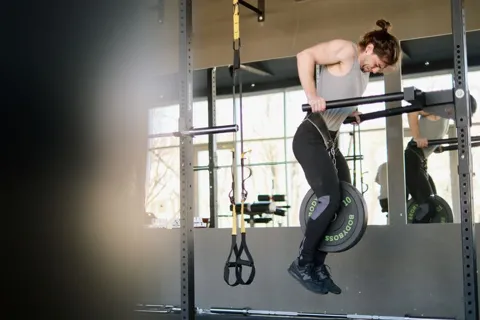 Training styles
Weighted calisthenics: progressing pull-ups and dips
Ready to add weight to your pull-ups and dips? Learn how to choose your first load, use a dipping belt and arrange your training week so you can build strength gradually.
Read guide- Training styles
Bodybuilding: a practical start to building muscle
Bodybuilding training centres on developing muscle mass. The useful ingredients are repeatable exercises, challenging sets and enough recovery time.
Read guide - Training styles
Starting powerlifting: squat, bench press and deadlift
Powerlifting competition tests the heaviest valid squat, bench press and deadlift. Training builds the strength and technical consistency needed for those three movements.
Read guide - Training styles
Pilates for beginners: mat, reformer and your first exercises
Curious about Pilates but unsure what a reformer or core control means? Find out what a session involves and how to begin with a short mat workout.
Read guide 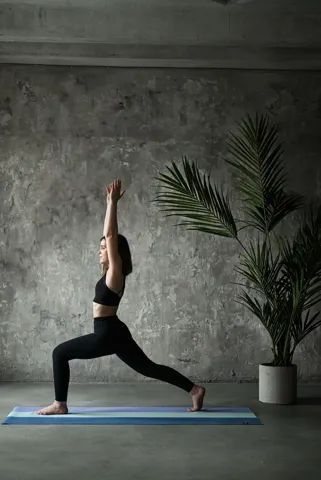 Training styles
Starting yoga: finding a style that suits you
Gentle stretching or a demanding flow? Yoga comes in many forms. This guide helps you choose a first class and make room for regular practice.
Read guide- Training styles
HYROX for beginners: stations, training and your first race
Thinking about your first HYROX race, or simply interested in the training? Learn how the race works and how to combine running with station practice as a beginner.
Read guide - Training styles
Starting CrossFit: understand your first session
Thinking of trying CrossFit? Find out what happens in a typical class, how beginners adapt the exercises and what to look for in a coach.
Read guide 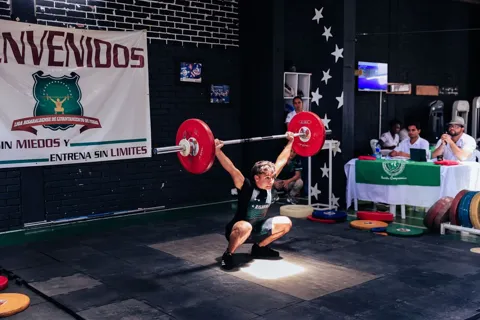 Training styles
Olympic weightlifting: learning the snatch and clean and jerk
Olympic weightlifting takes a barbell from the floor to overhead through the snatch and clean and jerk. Learn what makes each lift different and where to start learning them.
Read guide- Training styles
Strength training at home: exercises with and without equipment
You can train strength at home when the exercises and difficulty suit you. A few pieces of equipment you reliably use are more useful than a room full of unused kit.
Read guide - Training styles
Calisthenics or gym training: which suits you?
Pull-ups in the park or weights at the gym? Compare equipment, starting difficulty and ways to progress, then see how you can combine both approaches.
Read guide - Training styles
Bodybuilding or powerlifting: muscle and strength goals
Do you mainly want bigger muscles or heavier lifts? See how bodybuilding and powerlifting differ in practice and choose a training focus that suits your goal.
Read guide  Training styles
Yoga or Pilates: which practice suits you?
Yoga or Pilates: which would you enjoy practising regularly? Compare typical classes, equipment and training priorities before choosing your first session.
Read guide- Training styles
HYROX or CrossFit: race format and everyday training
Looking for a mix of strength and endurance? Compare HYROX and CrossFit, from everyday training to competition, and find out what starting either one involves.
Read guide  Training styles
Strength training for weight loss: a two-day starting routine
Build a manageable lifting routine while losing weight, with sets, effort, progression and recovery explained through practical examples.
Read guide- Training styles
Cardio or weights for weight loss? How to combine both
Combine cardio and weights in a realistic week. Choose intensity, session order and progression while keeping recovery manageable.
Read guide - Training styles
Losing fat and building muscle: a guide to body recomposition
Understand who body recomposition may suit, how to train and eat, and how to interpret strength, waist and weight trends over time.
Read guide  Training styles
LiftPal: your workouts, your goals and a wombat
LiftPal combines workout tracking, Daily Goals, short Flow activities and a customizable wombat. Explore the iPhone app and its features.
Read guide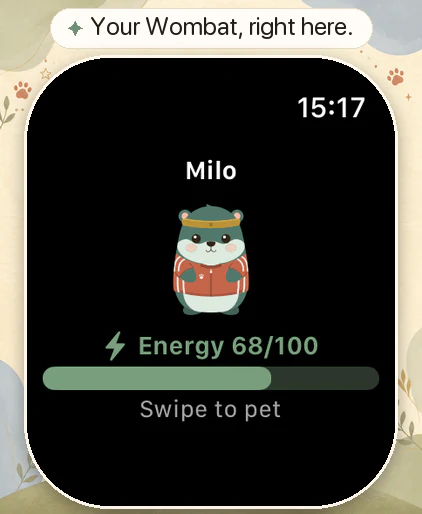 Training styles
Strength training on Apple Watch: log your sets with LiftPal
Log sets, weight and reps on Apple Watch. LiftPal keeps your rest timer, workout metrics and Wombat visible on your wrist.
Read guide Training styles
How to track calisthenics progress: pull-ups, dips and skills
Track pull-ups, dips and skills with repetitions, hold times, assistance and added weight so your next session builds on the last.
Read guide