Where to begin
Powerlifting adds your best valid squat, bench press and deadlift to produce a total. A competition normally gives you three attempts at each lift. The federation sets the movement standards and referee commands. The international IPF rulebook is an important reference; check the organising federation’s rules for the meet you actually enter.
You can focus on these lifts without immediately entering a competition. Start by repeating the setup reliably: stance, grip, bracing and range of motion. Frequent controlled repetitions give you opportunities to practise these details. Testing your limit at every session leaves fewer manageable repetitions to learn from.
Your sessions
A set is a group of repetitions performed in a row. For 2 × 8–12, do eight to twelve repetitions, rest, then repeat. The table lists working sets; lighter warm-up sets come first.
A session to get started
- Sets
- 3
- Reps / duration
- 5
- Rest
- 2–3 min
- Sets
- 3
- Reps / duration
- 5
- Rest
- 2–3 min
- Sets
- 2
- Reps / duration
- 5
- Rest
- 2–3 min
- Sets
- 2
- Reps / duration
- 8–12
- Rest
- 2 min
Equipment worth having
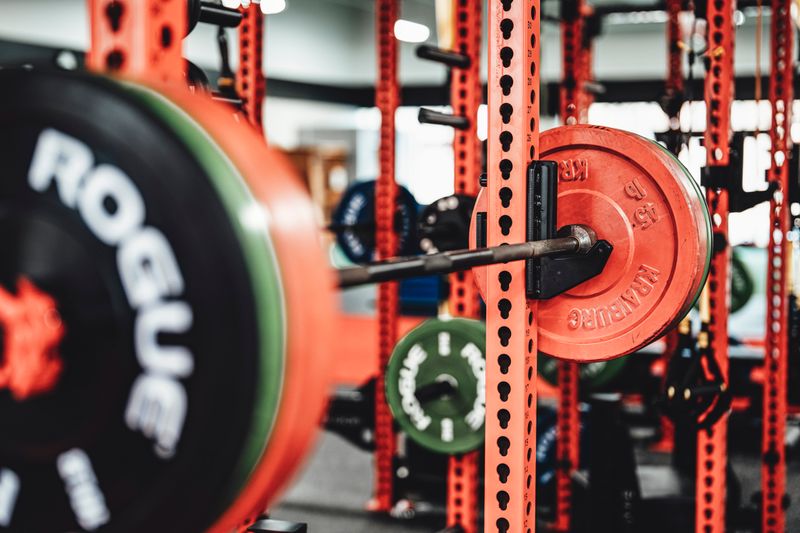
Squats and bench presses need a rack with safety supports set for your movement. Ask someone at the gym to show you how to position them. Bench pressing may also require an instructed spotter. For deadlifts, use an appropriate surface and plates that place the bar at a suitable starting height.
A belt or specialist shoes may become useful later. First learn to establish a stable setup and control the weight. If an empty 20 kg bar is too heavy, start with a lighter training bar or a suitable preparatory exercise. The working load should match your current ability.
How to read the sample session
Start with a difficulty that leaves roughly two or three good repetitions available at the end of a set. This is called repetitions in reserve, or RIR. Your estimate will improve with practice. For now, the last repetition should follow the same movement as the first. End the set if you need momentum or a much shorter range to continue.
Begin with some easy movement, then practise the first loaded exercise at a lighter difficulty. For a heavier lift, use a few short warm-up sets to approach the working weight. The listed rest periods are starting points. Take longer when your breathing or concentration has not recovered enough for the next set.
Your first few weeks
The sample session provides practice of all three lifts. Two such sessions per week offer a manageable start; on the second day, you can put the bench press first. The first exercise receives your full attention. Two to three minutes between lighter introductory sets may be enough, while heavier working sets can require longer rest.
Initially, record one clear technique point for each lift, such as consistent squat depth or a controlled touch on the bench press. A short side-view video can help you compare repetitions. A qualified coach in the room can also assess whether your setup and safety supports are appropriate.
When to make an exercise harder
For three sets of five squats, select a weight that initially leaves about three repetitions available. When all three sets follow the intended range with reserve, add the smallest sensible increment at your next comparable session. If the result becomes five, five and three difficult repetitions, the new weight was too much for that target. Repeat or reduce it.
As experience grows, lighter and heavier days can provide more practice while distributing fatigue. Heavy always means heavy relative to your ability. An estimated one-repetition maximum from a working set can add context to your history. It depends on the formula, repetition count and how you performed that day, so keep comparing the original set data as well.
When progress slows down
If one lift stalls, identify the specific issue first. Does depth change, does the bar drift, or is rest too short? Assistance exercises such as rows and leg curls can round out the programme. Choose them for an identifiable purpose. Extra heavy singles rarely solve an unreliable basic movement. Stop an exercise that produces sudden or persistent pain and get ongoing symptoms assessed.
Choosing your next step
For a first meet, practise the commands and required execution in advance. A sensible opening attempt is within the performance you can reliably repeat. Discuss weight-class choices and attempts with an experienced coach. For everyday training, start with a programme you can complete alongside work, sleep and other activities.
Keep a record you can use
Use the linked weekly plan to give the squat, bench press and deadlift regular training days. The exercise guides help with setup and technique. Once you have chosen a working weight, the warm-up and plate calculators help prepare the bar. After training, use your set results in the progression tool to plan the next increase.
Try a tool
Read next
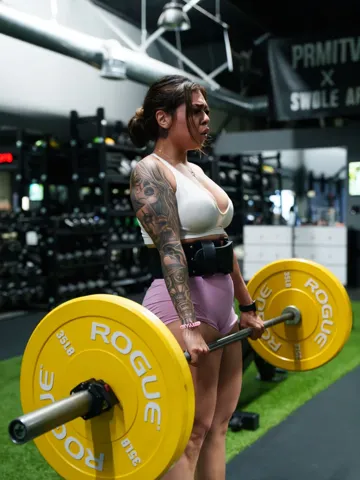 Plans and progressPowerlifting plan: three days for squat, bench and deadlift
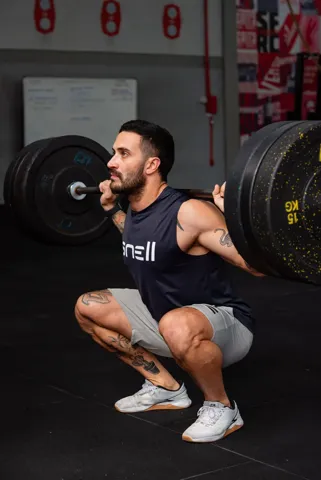 Learn exercisesHow to squat: stance, depth and the right variation
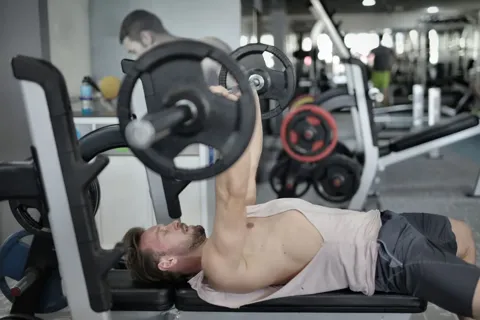 Learn exercisesHow to bench press: setup, grip and variationsLearn exercisesHow to deadlift: setup, technique and variations
 Training stylesBodybuilding or powerlifting: muscle and strength goals
 Plans and progressRPE in strength training: how hard was that set?
 Plans and progressProgressive overload: when to add weight or repetitionsPlans and progressBeginner powerlifting: a 2-day planPlans and progressImprove your bench: a 3-day powerlifting planPlans and progressImprove your squat: a 3-day powerlifting plan
Sources
- ACSM (2026): Resistance Training Prescription for Muscle Function, Hypertrophy, and Physical Performance in Healthy Adults ↗
- Zourdos et al. (2016): Repetitions-in-reserve RPE scale ↗
- International Powerlifting Federation: Technical Rules, effective 1 March 2026 ↗
sumsum / Pexels · Pexels License · Resized and converted to WebP for this website.
Giovanni Caprio / Pexels · Pexels License · Resized and converted to WebP for this website.
Andrea Piacquadio / Pexels · Pexels License · Resized and converted to WebP for this website.