
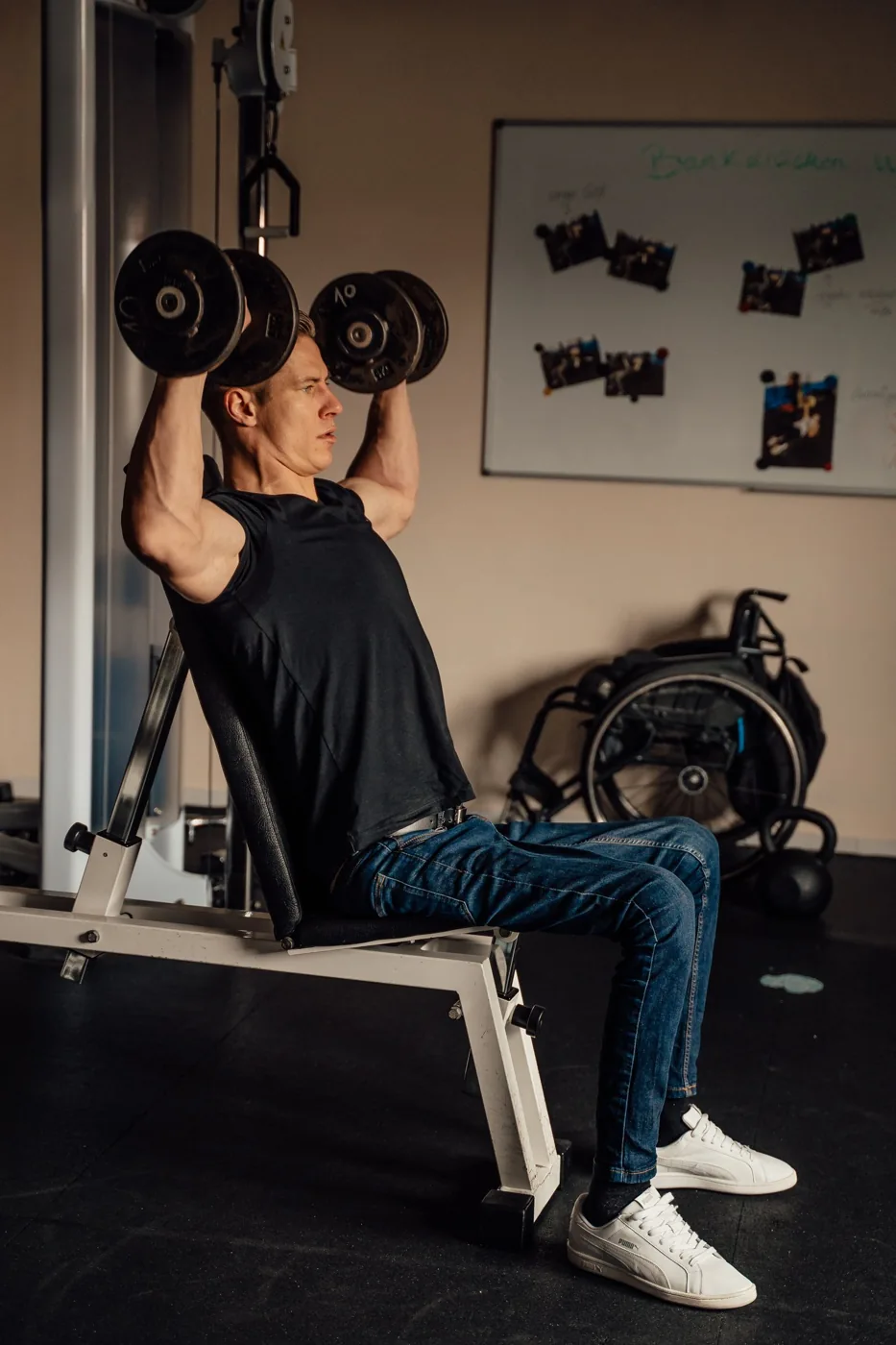
Make the number mean the same thing next time
In this guide, add two dumbbells moved together: two 12 kg dumbbells mean 24 kg. One 20 kg dumbbell stays 20 kg. This is the convention in the LiftPal website plans. Other workout logs may use weight per dumbbell; follow their instructions when using them.
LiftPal's weight field stores the number you enter. It does not automatically double dumbbell loads or detect whether you meant each hand or the pair. If your previous records consistently use one dumbbell, keep that convention for that history or clearly mark a change. A sudden jump from 12 to 24 otherwise reflects notation rather than new strength.
Five examples for your next set
These are logging examples, not recommended starting weights. Repetitions here mean complete movements or explicitly defined left-right pairs.
| What you performed | Weight entry | Reps and note |
|---|---|---|
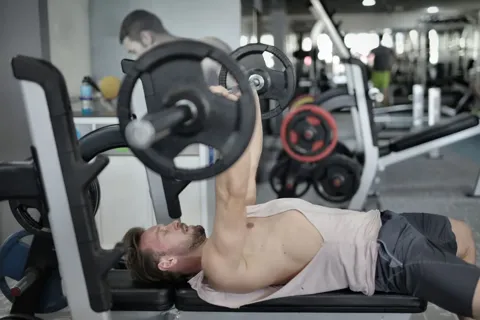
| Bench press with two 12 kg dumbbells | 24 kg | 10 if both arms press together ten times |
| Goblet squat with one 20 kg dumbbell | 20 kg | 10 complete squats |
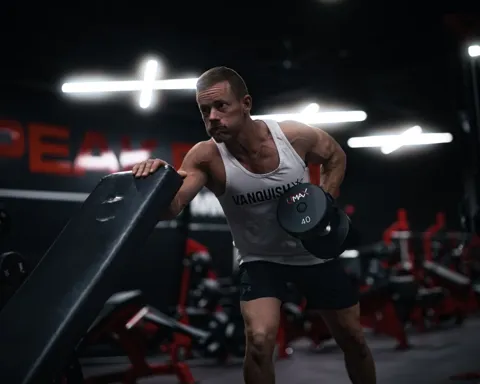
| Single-arm row with one 18 kg dumbbell | 18 kg for each side's entry | Entry 1: 10 left; entry 2: 10 right |
| Alternating curls with two 8 kg dumbbells | 16 kg | 10 left-right pairs; note “10 each arm, counted as pairs” |
| Split squat with two 10 kg dumbbells | 20 kg for each side's entry | Entry 1: 8 left leg; entry 2: 8 right leg |
For curls, one pair means one left rep and one right rep. Ten pairs contain twenty individual arm movements. With this method, do not enter 16 kg × 20: that would combine the load and count both arms again.
Single-arm rows when your sides differ
If you manage ten reps on the left and eight on the right, record the two results separately. A single “18 reps” at 18 kg hides the distribution when you return later. A short side note shows whether the less capable side improved or the stronger side simply did more.
For a controlled comparison, start with the less confident side and choose a load you can move cleanly there. The other side does not have to use its full possible rep count. Three planned sets per side create six entries with this method. In your programme, that remains three sets for each side. Do not accidentally count it as six full sets for both arms in your weekly volume.
Split squats still include both dumbbells
Even when one leg does most of the work, you are holding two dumbbells. Two 10 kg dumbbells therefore mean 20 kg of external load here. Do not add bodyweight to this dumbbell example. After eight reps on the left, make a separate entry for the right.
Note any meaningful variation, such as a rear-foot-elevated versus ordinary split squat. They feel different and can allow different loads. Compare the same version through a similar range of motion. Replacing two 10 kg dumbbells with one 20 kg dumbbell at your chest keeps the number unchanged while altering the balance and upper-body demands.
What the volume figure tells you
For a simultaneous press, 24 kg × 10 reps gives 240 kg of recorded external load. That can help compare the same lift with the same notation. It is not a precise measure of muscle stimulus or mechanical work. Range of motion, exercise selection, bodyweight and effort are not fully represented in that multiplication.
Switching from two-arm to one-arm work can therefore change statistics while your training remains useful. Start by comparing the load and reps for the specific exercise. If you choose a different definition in a strength calculator, read its input guidance before transferring numbers from your log.
Put an inconsistent history back on track
Identify which old entries meant one dumbbell and which meant the pair. Correct only the values whose meaning you can still establish. For uncertain records, a clear new starting note helps: “Combined load from today; add both dumbbells.” Old personal bests using another convention are not direct comparisons.
For future workouts, keep three things stable: the number of dumbbells represented, how you count reps and which side an entry describes. You can also log alternating exercises as separate sides using the single dumbbell load. Choose one method and stick with it. Your next LiftPal session will then show a result you can genuinely repeat or improve.
Try a tool
Read next

Sources
- LiftPal: Progressive overload guide, dumbbell load examples ↗
- LiftPal: Strength calculator, total-load input convention ↗
Alesia Kozik / Pexels · Pexels License · Resized and converted to WebP for this website.
@marcuschanmedia | IG / Pexels · Pexels License · Resized and converted to WebP for this website.
Andrea Piacquadio / Pexels · Pexels License · Resized and converted to WebP for this website.