
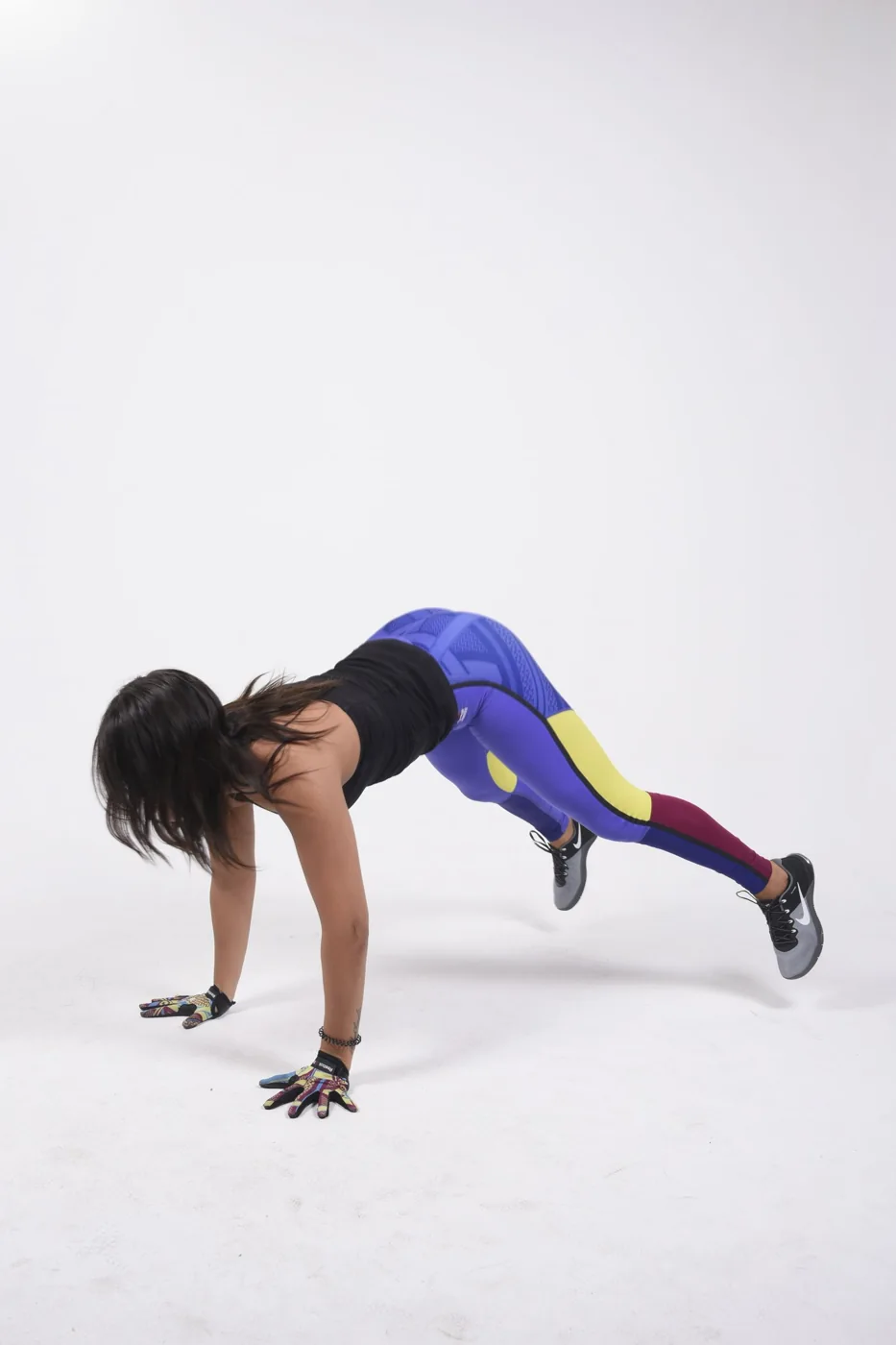
What compromised running means
The term describes running after a demanding station. Your breathing, legs or grip can feel different from starting a fresh run. A slower kilometre alone cannot tell you whether endurance, station intensity, technique or how you felt that day was responsible.
A small 2025 study followed eleven recreational athletes through a simulated individual HYROX. It shows the demanding nature of the combination, but does not diagnose your personal pace loss. For your next training decision, comparable attempts of your own are particularly useful.
Set up a manageable comparison
Choose a flat, measured kilometre and a station you already perform confidently, such as a 500-metre row. This shortened station is for your comparison; it is not a full race simulation. Use two days with similar recovery and conditions. A heavy leg workout immediately beforehand would change what you are comparing.
On day one, warm up gently for ten minutes, then run a kilometre at a purposeful but controlled effort. Record the time and effort from zero to ten; six here means clearly challenging with room to spare. Aim for a pace you could repeat. You do not need a kilometre personal best to learn something useful.
On the second day, connect the station and run
Repeat the same warm-up. Row 500 metres at a deliberately controlled pace. Record your time, machine setting and the transition to your run. A short fixed transition, such as 20 seconds when the areas are immediately adjacent, helps you repeat the setup. Only use a clear, safe route; a crowded gym is not suitable for this trial.
Run the same kilometre at roughly the same perceived effort as on day one. Write down the time and what felt different: fast breathing, heavy thighs, an unusually short stride or no obvious change. Keep the route, station and transition consistent for future attempts. Briefly note weather, sleep and other training as well, so an unusual day does not look like a new trend.
Decide exactly when each timer starts and stops. Station time ends at the final metre on the rower; running time begins at your marked start line. Everything between them belongs to the transition. Stopping after you stand up on one attempt but immediately at the display on another means you are comparing different sections. A partner can handle the timing. Alone, a watch with a lap function is enough if you practise using it first. Record interruptions from traffic or other people and repeat later rather than interpreting the delay as lost running fitness.
Work through the whole section
These numbers illustrate an analysis. They are not results of a test we conducted or target times for you.
| Attempt | Row | Transition | 1 km run | Station start to run finish |
|---|---|---|---|---|
| Fresh comparison | None | None | 5:30 | 5:30 |
| Combination A | 2:10 | 0:20 | 6:05 | 8:35 |
| Combination B, another day | 2:20 | 0:20 | 5:45 | 8:25 |
In A, the run is 35 seconds slower than the fresh kilometre. In B, the station takes ten seconds longer and the run is 20 seconds quicker than in A. The whole section is therefore ten seconds faster. That is a reason to try the steadier station pace again. It does not prove a particular physiological cause or predict the effect across all eight race kilometres.
Choose one thing to change next
If the fresh kilometre already feels unusually hard, repeat the comparison on a more representative day. If the big drop follows a very fast station, reduce only the station pace next time. Keeping the route, load and transition unchanged makes the result easier to interpret.
If you struggle to control your stride after lunges, start with less station work and have someone check your technique. If you charge through the first 200 metres and fade, begin the next run more deliberately. Pick one change per attempt. Stop for dizziness, chest pain or unusual breathlessness; those are reasons to end the session, not collect another split.
Give the trial a place in your week
Initially, use this in place of a demanding combined session. If you are new to HYROX, one familiar station followed by a run is enough to practise the transition. Add rounds only when you can maintain control and your other sessions continue to feel normal.
Keep separate running and strength days too. Easy running develops a different routine from always starting under heavy fatigue. Your LiftPal history shows how your normal strength sets are going. For this trial, one line is enough: date, station and setting, station time, transition, run time, effort and next adjustment. Repeat it after several suitable training sessions rather than reacting to every weaker day.
Try a tool
Read next
 Training stylesHYROX for beginners: stations, training and your first raceTraining stylesHYROX Doubles with different fitness levels: plan your station splits
 Training stylesZone 2 and strength training: how to fit both into your week
 Plans and progress4-Day Hybrid Training Plan: Lift Twice, Run Twice
Sources
- HYROX Doubles Rulebook, season 2026/27, sections 7–8 ↗
- Brandt et al. (2025): Acute physiological responses and performance determinants in HYROX ↗
Andrea Musto / Pexels · Pexels License · Resized and converted to WebP for this website.
stu_spivack, Wikimedia Commons · CC BY-SA 2.0 · Resized and converted to WebP for this website.
Ivan S / Pexels · Pexels License · Resized and converted to WebP for this website.