
How a HYROX race works
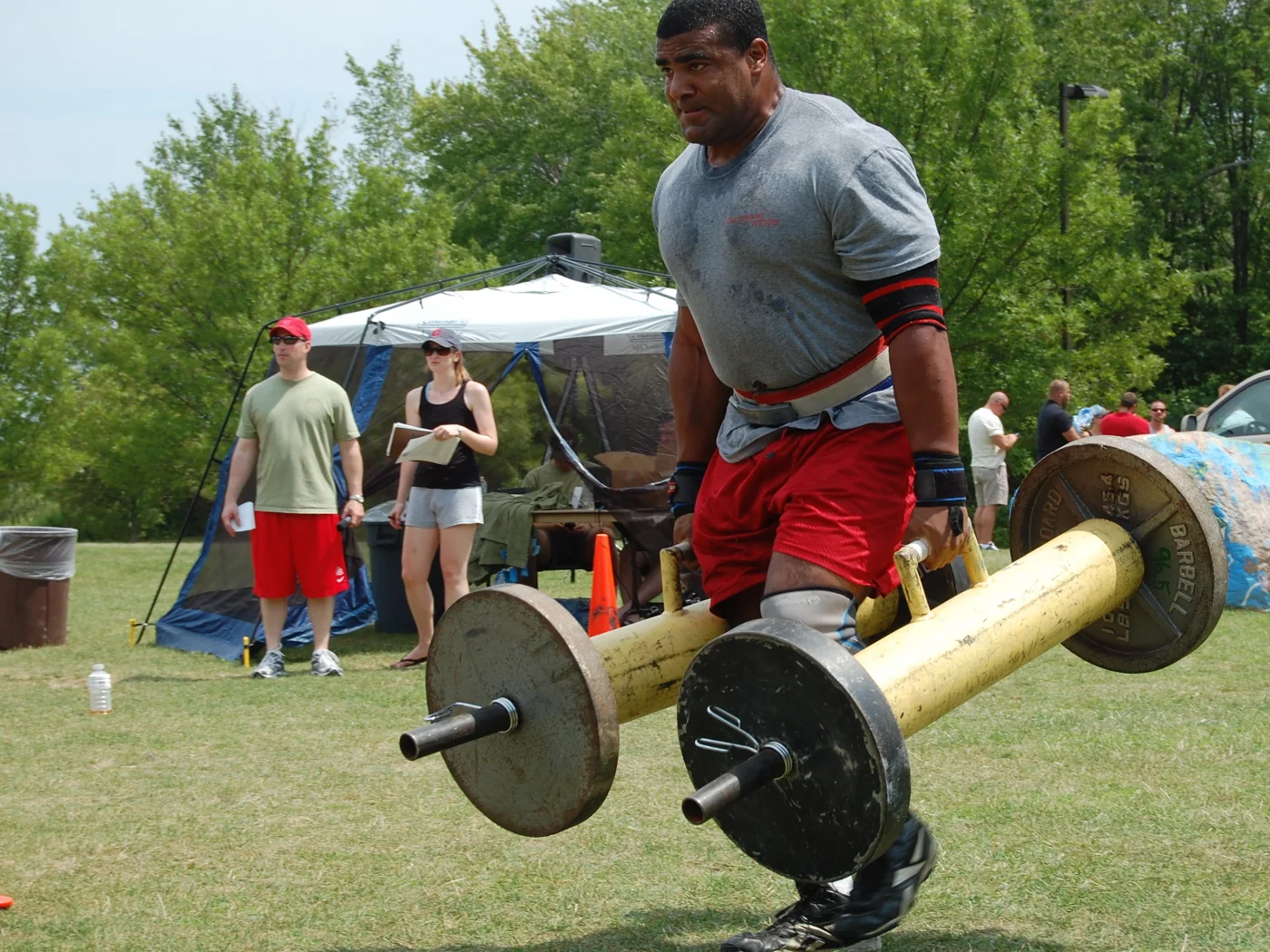
You run one kilometre, then complete a workout station. You repeat that sequence eight times: eight kilometres of running and eight stations. The stations include the SkiErg, sled push and pull, burpee broad jumps, rowing, a farmers carry, sandbag lunges and wall balls. A wall ball combines a squat with throwing a medicine ball at a target on the wall.
Individual racers can choose Open or the heavier Pro category. In Doubles, you run together and share the station work. Your division’s current rulebook sets out the loads, repetitions and movement standards for your race.
How to get started
First establish regular easy running and two strength sessions. Learn stations individually with guidance. Short combinations of easy running and a familiar station can later introduce the transitions.
Give running and strength their own days
This starting week separates running from strength sessions. That gives you time to learn the stations without arriving at them straight after a hard run. Two easy runs help you build a regular running habit. They do not need to become mini races.
You can move the days to fit your week. If you miss a workout, continue with the next one rather than squeezing an extra session into the remaining days. If running is new, use walk breaks and keep the strength sessions short initially. The linked hybrid plan gives you a concrete starting option.
| Day | Focus |
|---|---|
| Monday | Easy run within an amount you already tolerate |
| Tuesday | Strength work and individual stations with guidance |
| Thursday | Easy run within an amount you already tolerate |
| Saturday | Strength work and individual stations with guidance |
Training for HYROX without a sled
Your gym has weights and machines but no sled? You can still build strength and endurance there. These exercises address parts of the race demands. Practice on the actual equipment later will teach you the station skills.
- No sled: leg presses or split squats develop leg strength, and cable rows train the pulling muscles. A sled’s body position and resistance are a separate skill. Include actual sled pushing and pulling before race day.
- No SkiErg: a rowing machine or bike can provide an endurance interval of similar planned duration and effort. That does not reproduce SkiErg technique or its machine-specific distance.
- Farmers carries and lunges: use dumbbells for carries along a clear, approved route. Dumbbell lunges build leg strength; practise the sandbag position with a real sandbag later.
- No suitable wall for wall balls: goblet squats train the squat portion. Throwing, catching and hitting the target need a suitable medicine ball and a designated training space.
Get familiar with the actual stations
Arrange a coached session at a HYROX gym or an equipped class well before your event. Learn the movement standards and machine settings. Start with individual stations at manageable loads. Sled resistance in particular changes with the surface and friction, even when the listed weight is the same.
Once the movements are familiar, combine short running sections with one station. This teaches you to settle back into running after an effort. Begin with a few transitions. Adding repeated hard simulations on top of your normal week makes the start needlessly demanding.
How to recognise progress
Running after a station feels different from starting a fresh run. Occasionally repeat the same short stretch after the same station and notice whether you can hold the pace more comfortably. You do not need a full race simulation every week for that. Log your strength sets in LiftPal; record running routes and race times separately.
Build running consistency before race intensity
If you are new to running, use walk breaks. Keep the running intervals short enough to finish the last ones as comfortably as the first. Leave station loads unchanged while you get used to running regularly. A HYROX class can later help you learn how to put the two parts together.
Does it fit your life?
You can often head out for a run straight from home. A sled and SkiErg usually mean a trip to a suitably equipped gym. Before entering a race, find somewhere to practise those stations and work out how often you can get there. A regular session with a training partner can make that trip easier to keep up.
Keep a record of your strength preparation
Create strength routines in LiftPal and record weight, reps and RPE. Next time you reach the gym, you will know where you left off. Record running distances, run times and race preparation separately. If your first aim is simply to get stronger and run regularly, the four-day hybrid plan is a useful next step.
Try a tool
Read next


Sources
stu_spivack, Wikimedia Commons · CC BY-SA 2.0 · Resized and converted to WebP for this website.
Andrea Piacquadio / Pexels · Pexels License · Resized and converted to WebP for this website.
Andrea Musto / Pexels · Pexels License · Resized and converted to WebP for this website.