What you train
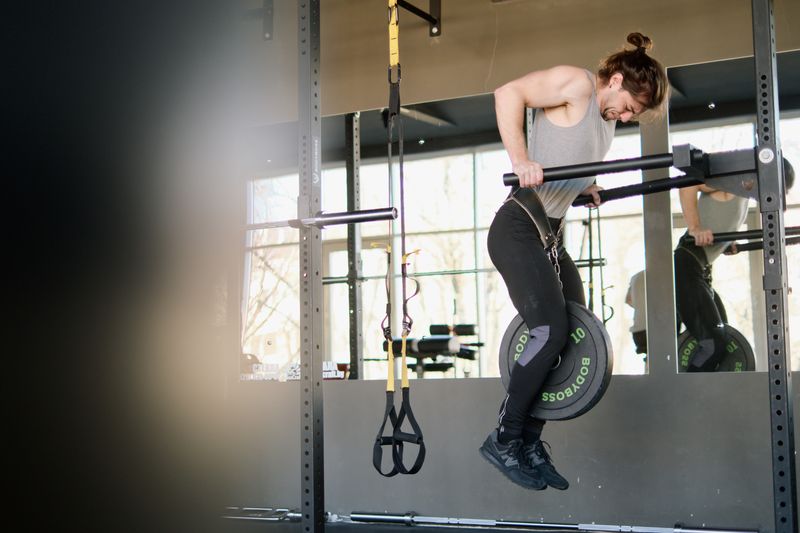
A dip belt or well-fitting weight vest allows small load increases. Added weight is different from total moving weight. Bodyweight, variation and range of motion also matter when comparing sessions.
How to get started
Start with a pull-up focus and a dip focus on separate days. Use two to three moderate working sets with a load that permits five to eight good repetitions. Include leg training and rows.
Choose a difficulty that leaves about two good repetitions at the end of each set. A set is a group of repetitions followed by a rest. For demanding strength exercises, two to three minutes of rest is a useful starting point. Take longer if you need it to maintain your technique.
One way to arrange your week
Place the sessions on days you can train regularly. Start with this schedule and check how well you recover before the next session. If you miss a day, continue with the next session in the sequence.
| Day | Focus |
|---|---|
| Monday | Pull-up focus, lighter dips and leg work |
| Thursday | Dip focus, lighter pull-ups and leg work |
How to recognise progress
Small increases can make a noticeable difference when adding weight. If the last repetition suddenly needs a swing or a much shorter range, stay with the previous load. Add the smallest available plate once the repetitions are consistent again. Record the variation and bodyweight too if you want to compare performance over time.
Does it fit your life?
You need reliable access to a bar or parallel bars and securely attached load. Small plates help you make modest increases. If you switch gyms, note grip and equipment differences so changes in repetitions have context.
Try a tool
Read next
 Training stylesStarting calisthenics: build strength with your bodyweight
 Plans and progressSets, reps and working weight explained
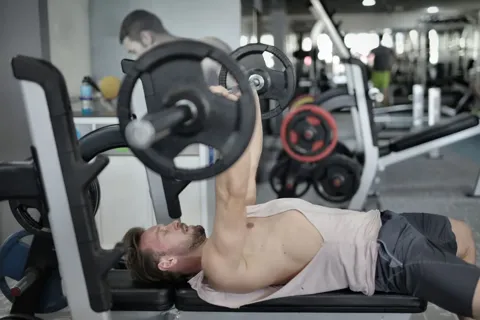 Plans and progressTwo-day full-body workout plan for beginners
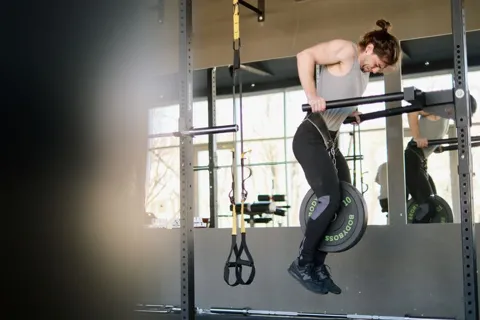 Plans and progressWeighted calisthenics plan: build pull-ups and dips
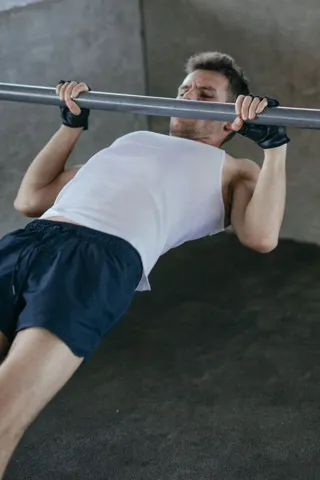 Plans and progressA four-week calisthenics block for stronger weighted pull-ups
Sources
Ali Alcántara / Pexels · Pexels License · Resized and converted to WebP for this website.
Andrea Piacquadio / Pexels · Pexels License · Resized and converted to WebP for this website.
KoolShooters / Pexels · Pexels License · Resized and converted to WebP for this website.