
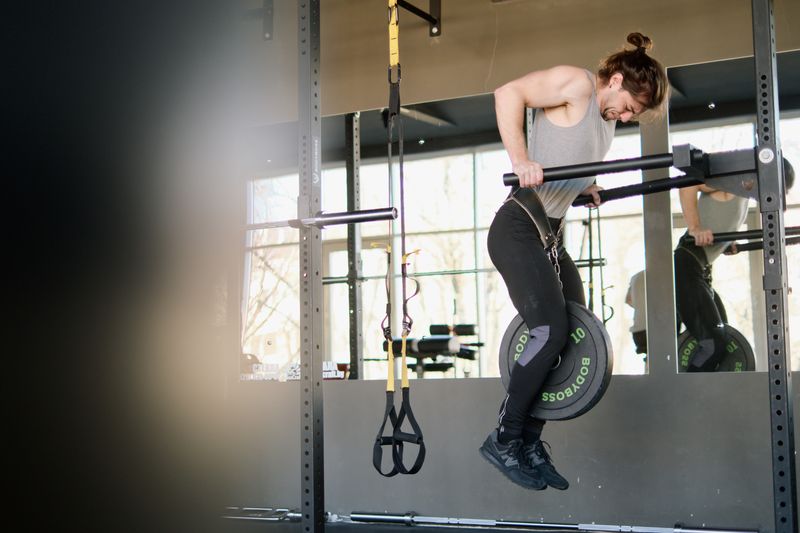
Who is body recomposition for?
Recomposition can fit when you are starting resistance training or returning after a break and want to improve strength while gradually reducing fat. Training experience, starting body composition and recovery affect what is achievable. Someone already lean and well trained may prefer to prioritise one outcome for a period. A deliberate muscle-gain phase with gradual weight gain has a different emphasis. Decide which goal matters most now and what you are willing to monitor before changing food and training at the same time.
How long until you notice a change?
There is no fixed number of weeks for visible fat loss and muscle gain. Studies such as Longland's show that simultaneous changes can happen. That trial measured lean mass, which also includes water and other tissues, in young men following a demanding programme. In everyday life, better strength and changes in how clothes fit over several weeks are more useful than a promised before-and-after deadline.
Create a stable training foundation
Use two or three full-body sessions that cover a squat or leg press, a hip hinge such as a Romanian deadlift, pushing and pulling. In a hip hinge, you move your hips backwards while leaning your torso forward with control. Learn the movements and choose a manageable number of sets before adding extra exercises. Keep several key lifts consistent across weeks so you can compare repetitions, load and effort. Progressive overload means gradually increasing the challenge as your ability improves; it can involve another controlled repetition before adding weight. If your schedule supports only two sessions, first make those two sessions consistent.
Eat to support both recovery and your goal
Include a clear protein source in your regular meals and keep enough variety to cover everyday needs. Carbohydrate foods can support demanding training, while vegetables, fruit, pulses and fats also belong in a workable diet. If reducing fat is the priority, review portions and eating patterns gradually so that training and daily life remain manageable. Aggressive restriction makes the two goals harder to reconcile. For personal needs involving pregnancy, low weight, an eating-disorder history or a medical condition, use qualified guidance instead of a general recomposition plan.
Progress when body weight stays the same
Your training log shows whether weights or repetitions are increasing. How clothes fit or a waist measurement taken in similar conditions can add another view. Body-fat scales also respond to hydration and do not measure muscle precisely. Because some strength gains come from practising movements, several observations over time give a more useful overall picture.
What training progress can look like
Imagine that over several weeks your body weight varies around the same range, your usual trousers feel looser and you can row more repetitions with the same load and technique. Together these observations are encouraging and compatible with recomposition, though they do not quantify fat lost or muscle gained. Continue the routine if you feel well and the goal still fits. If weight, waist and training all remain unchanged, first check whether the sessions and meal habits happened consistently before assuming that a more complicated programme is needed.
| Pattern | What it suggests | Next action |
|---|---|---|
| Stable weight, looser clothes, better lifting | Several encouraging observations; exact tissue changes remain unknown | Continue and review the longer trend |
| Repeated performance decline and fatigue | Recovery and food availability need attention | Review meals, sleep and training load |
| Sessions happen irregularly | The programme has not had a consistent trial | Establish two repeatable training days |
What helps when progress slows?
If you are always tired and several lifts are getting worse, adequate meals and recovery come first. If training is going well and you want to lose more fat, a different afternoon drink or an extra short walk might fit. Small changes keep everyday life familiar. Give them several weeks; visible change takes different amounts of time from different starting points.
Begin with two good training days
Two regular training days and a few familiar exercises give you a routine to build on. Log your weights and repetitions in LiftPal so that, after several weeks, it is easier to see where you have become stronger. The protein guide helps with meals, and the progressive overload article helps with the next training increase. If muscle gain later becomes your main focus, continue with the lean-bulking guide.
Try a tool
Read next
 Training stylesStrength training for weight loss: a two-day starting routine
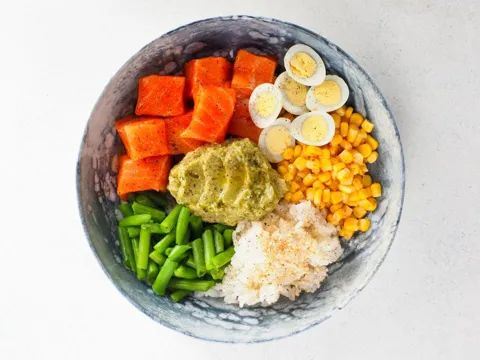 NutritionHow much protein do you need to build muscle?
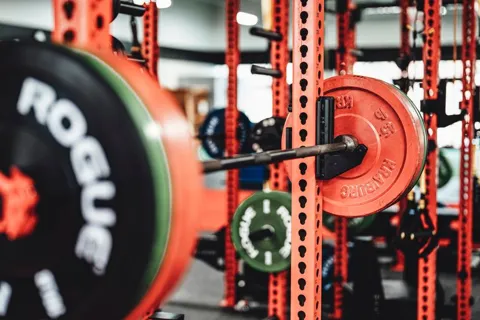 Plans and progressProgressive overload: when to add weight or repetitions
 NutritionHow to lose weight healthily: a practical starting planNutritionLean bulking: build muscle while keeping weight gain gradual
Sources
- Longland et al.: Dietary protein, energy deficit and intense exercise, randomized trial (2016) ↗
- Villareal et al.: Aerobic or resistance exercise, or both, in dieting obese older adults (2017) ↗
- NIDDK: Health tips for adults ↗
Scott Webb / Pexels · Pexels License · Resized and converted to WebP for this website.
Dziana Hasanbekava / Pexels · Pexels License · Resized and converted to WebP for this website.