
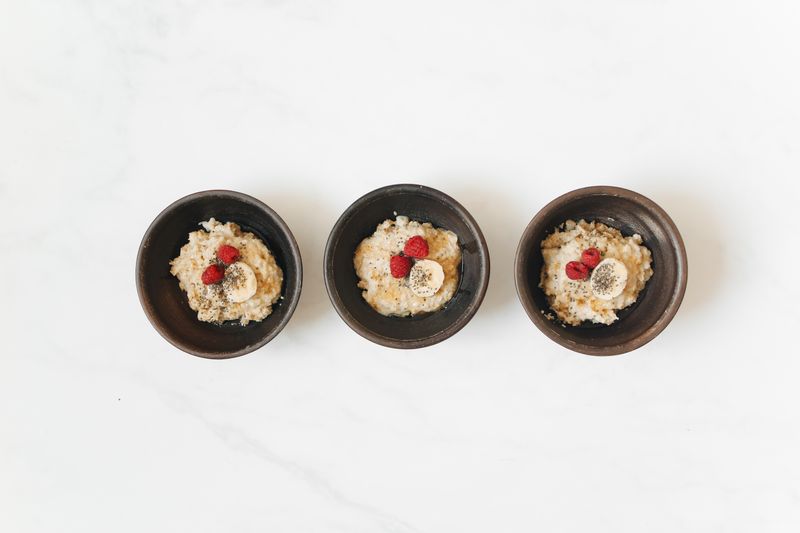
Find the real obstacle
Perhaps mornings are rushed, there is no lunch at work, or cooking feels like too much in the evening. Start where the day most often gets difficult. When you get home hungry, a stocked cupboard and a favourite dish can help more than seven new recipes for the week.
Attach the action to an existing routine
The ingredients are still out after dinner: a handy moment to mix oats for tomorrow. A look in the fridge can become part of getting ready for the weekly shop. A new habit fits more easily when it follows something that already happens.
When meal preparation does not fit the day
The lunchbox is missing, the dish no longer appeals on day two, or you get home too late to cook. These are ordinary reasons an idea does not work out. A different container, another dish or a portion from the freezer can help more than another reminder.
| What happened? | Likely obstacle | Try next |
|---|---|---|
| You forgot the evening preparation | The cue was easy to miss | Put the container beside the item you use after dinner. |
| You remembered but had no ingredients | Shopping and preparation were disconnected | Add two staple ingredients to the recurring shopping list. |
| You prepared food but left it behind | Transport was not planned | Put a note beside your keys and use a suitable cool bag if needed. |
| You keep avoiding the meal | Taste or effort does not fit | Choose a simpler meal you genuinely want to eat. |
Keep a simple backup meal
Plan something for the day your first plan falls through. Beans with frozen vegetables and rice or wholegrain bread with eggs and tomatoes are two options. Add the ingredients to your next shopping list. Your backup should fit your taste, budget and kitchen equipment. It does not need to look impressive.
The meal should taste good and make your day easier
You cooked ahead, but the lunchbox stays in the fridge. Perhaps it is awkward to carry, or perhaps you simply do not want that meal again tomorrow. It is fine to choose a different dish. A lunch you look forward to has a better chance than a perfect plan you dread following. Next time you shop, you will know more about what you will actually use.
Three packed lunches for your working week
Monday, Wednesday and Thursday might be good evenings to pack tomorrow's lunch. A sandwich with a protein source and some fruit takes little time. Having the ingredients at home makes the evening easier. You do not need a completely new menu for the whole week.
If you get home late on two of those evenings, preparation can move to the morning. Or choose something you can assemble without cooking. The habit then fits the life you actually lead. Once it saves you effort, you can turn to another meal.
Expand when the first step fits
Once the action fits reliably, consider adding another step. Preparing breakfast might later lead to planning an afternoon snack. Promises that every habit becomes automatic in 21 days do not fit the variation between behaviours and people. If eating is linked with significant anxiety, guilt or compulsive control, seek qualified help instead of adding more rules.
Read next
 NutritionHealthy eating made easier: meals and staples for busy days
 Everyday habitsHow to build new habits and make them easier to keep
 NutritionWhat to drink during a workout: water, amounts and electrolytesNutritionLosing weight without counting calories: meals that keep you satisfied
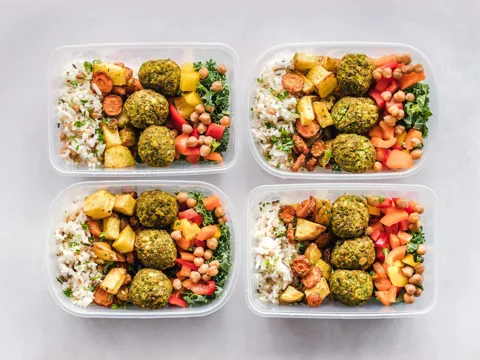 NutritionMeal prep: good food for a busy week
Sources
- WHO: Healthy diet (2026) ↗
- Lally et al.: How are habits formed? (2010) ↗
- NIMH: Eating disorders, what you need to know ↗
Ella Olsson / Pexels · Pexels License · Resized and converted to WebP for this website.