
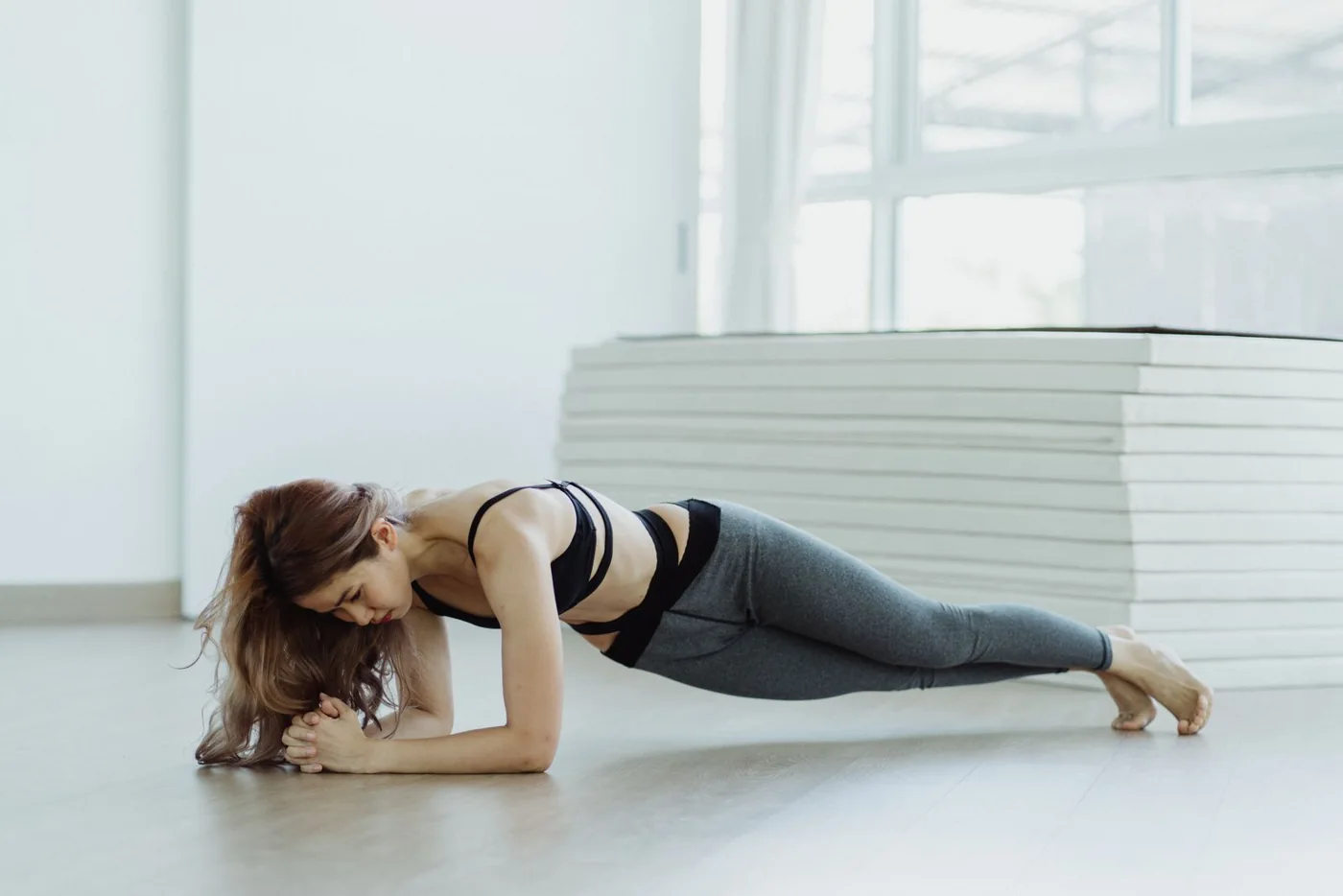
Who this plan suits
Choose this circuit for short bouts of movement and everyday endurance. It assumes you can stand and walk steadily. Work at your own pace within each interval; the target is not the highest possible repetition count.
Your sessions
Here, 2 × 40 seconds means two rounds of all four stations, with 40 seconds at each station. Follow the table order, taking 45 seconds of easy standing or walking between stations and 90 seconds after a full round. After the final round, finish gently. There is no repetition target or finishing sprint.
Session A
- Marching on the spot
- Sets
- 2
- Reps / duration
- 40 seconds
- Rest
- 45 seconds
- Sets
- 2
- Reps / duration
- 40 seconds
- Rest
- 45 seconds
- Sets
- 2
- Reps / duration
- 40 seconds
- Rest
- 45 seconds
- Sets
- 2
- Reps / duration
- 40 seconds
- Rest
- 45 seconds
Session B
- Marching on the spot
- Sets
- 2
- Reps / duration
- 40 seconds
- Rest
- 45 seconds
- Sets
- 2
- Reps / duration
- 40 seconds
- Rest
- 45 seconds
- Sets
- 2
- Reps / duration
- 40 seconds
- Rest
- 45 seconds
- Sets
- 2
- Reps / duration
- 40 seconds
- Rest
- 45 seconds
Session C
- Marching on the spot
- Sets
- 2
- Reps / duration
- 40 seconds
- Rest
- 45 seconds
- Sets
- 2
- Reps / duration
- 40 seconds
- Rest
- 45 seconds
- Sets
- 2
- Reps / duration
- 40 seconds
- Rest
- 45 seconds
- Sets
- 2
- Reps / duration
- 40 seconds
- Rest
- 45 seconds
Where the sessions fit in your week
Schedule three sessions, such as Monday, Wednesday and Friday. All three use the same circuit. Begin with four easy preparation minutes, then complete two rounds. Transitions and an easy finish bring the session to about 20 minutes.
| Day | Session |
|---|---|
| Monday | Session A |
| Tuesday | No scheduled workout; easy movement if you wish |
| Wednesday | Session B |
| Thursday | No scheduled workout; easy movement if you wish |
| Friday | Session C |
| Saturday | No scheduled workout; easy movement if you wish |
| Sunday | No scheduled workout; easy movement if you wish |
Warm up for your workout
Take three to five minutes before training. Walk on the spot and move your shoulders and hips. Then rehearse the first movements in the table with a few slow repetitions. Use a wall to prepare for push-ups if that makes them easier. These practice sets help you get comfortable with the movements while leaving energy for the workout.
Clear enough room to extend your arms and legs. Use a dry, non-slip floor and a mat that stays in place when you put weight on it. Keep your timer within reach. The session timings allow for rests: start the next set when you can move calmly and with control again.
How to use the sessions
Here, 2 × 40 seconds means two rounds of all four stations, with 40 seconds at each station. Follow the table order, taking 45 seconds of easy standing or walking between stations and 90 seconds after a full round. After the final round, finish gently. There is no repetition target or finishing sprint.
How to do each movement
- Marching on the spot: Stand tall and lift one foot a few centimetres. Place it down quietly before lifting the other. Let your arms swing loosely. Use small steps and a pace that lets you speak; a light hand on the wall is fine if needed.
- Bodyweight Squat: Stand with your feet about hip-width apart and your weight spread across each foot. Bend your hips and knees as if sitting down, then stand up; keep your heels grounded and use a comfortable depth.
- Wall Push-Up: Place your hands on a solid wall at chest height, slightly wider than your shoulders. Bend your elbows to bring your chest toward the wall, then press away; keep your body straight and step closer to make it easier.
- Standing Calf Raise: Stand tall with the balls of your feet firmly supported and hold a stable support if needed. Raise your heels by pressing through your forefeet, then lower slowly, keeping your ankles from rolling inward or outward.
Find your starting weight
Start each work interval gently. If you can only speak single words or the movement gets rushed, slow down or stop until the next station. The 40 seconds are an available work window, not a requirement to continue after control fades.
How to progress the plan
Keep two rounds for the first two weeks. If movement stays controlled and you can still speak in short sentences, extend selected work intervals from 40 to 50 seconds. A third round takes roughly five more minutes. Change only one element at a time.
Progress can mean a steadier movement, more repetitions or less breathlessness after the same session. After four weeks, look at your first entries and think about what used to feel unfamiliar. If evening workouts keep getting postponed, try a different time or a shorter session. A plan is most useful when it regularly finds room in your day.
Adjust the plan while keeping its purpose
Take smaller steps while marching and use a light wall touch if needed. Shorten the work interval before control deteriorates. For more focused strength work, choose the equipment-free set-based plan; this circuit prioritises regular movement.
Without equipment, a pulling movement that you can steadily load is missing for your back and arms. Bird dogs, planks and bridges do different jobs and do not replace rows. Add a long band secured under your feet, dumbbells, or a correctly installed station designed for pulling. Do not attach improvised equipment to a random door or table.
When to end a set
End the set when you clearly shorten the movement, need momentum or lose control of your position. Muscular effort and faster breathing are expected. Sudden sharp pain, dizziness or unusual symptoms are reasons to stop the exercise or session. Have persistent or recurring pain assessed before continuing to load the affected movement.
Know where to start next workout
Record your sessions in LiftPal: exercises, repetitions, weight and, when useful, effort with RPE. Note the variation or band resistance too. At the next workout, you can see what worked last time. You can also make your training schedule an everyday goal.
Try a tool
Read next
 Training stylesStrength training at home: exercises with and without equipment
 Plans and progressA three-day home workout without equipment
 Plans and progressSets, reps and working weight explained
 Plans and progressProgressive overload: when to add weight or repetitionsPlans and progressRPE in strength training: how hard was that set?
Sources
- ACSM (2026): Resistance Training Prescription for Healthy Adults ↗
- ACSM (2026): Updated resistance training guidance ↗
- Plotkin et al. (2022): Progressing repetitions or load in resistance training ↗
Ketut Subiyanto / Pexels · Pexels License · Resized and converted to WebP for this website.
Maksim Goncharenok / Pexels · Pexels License · Resized and converted to WebP for this website.