
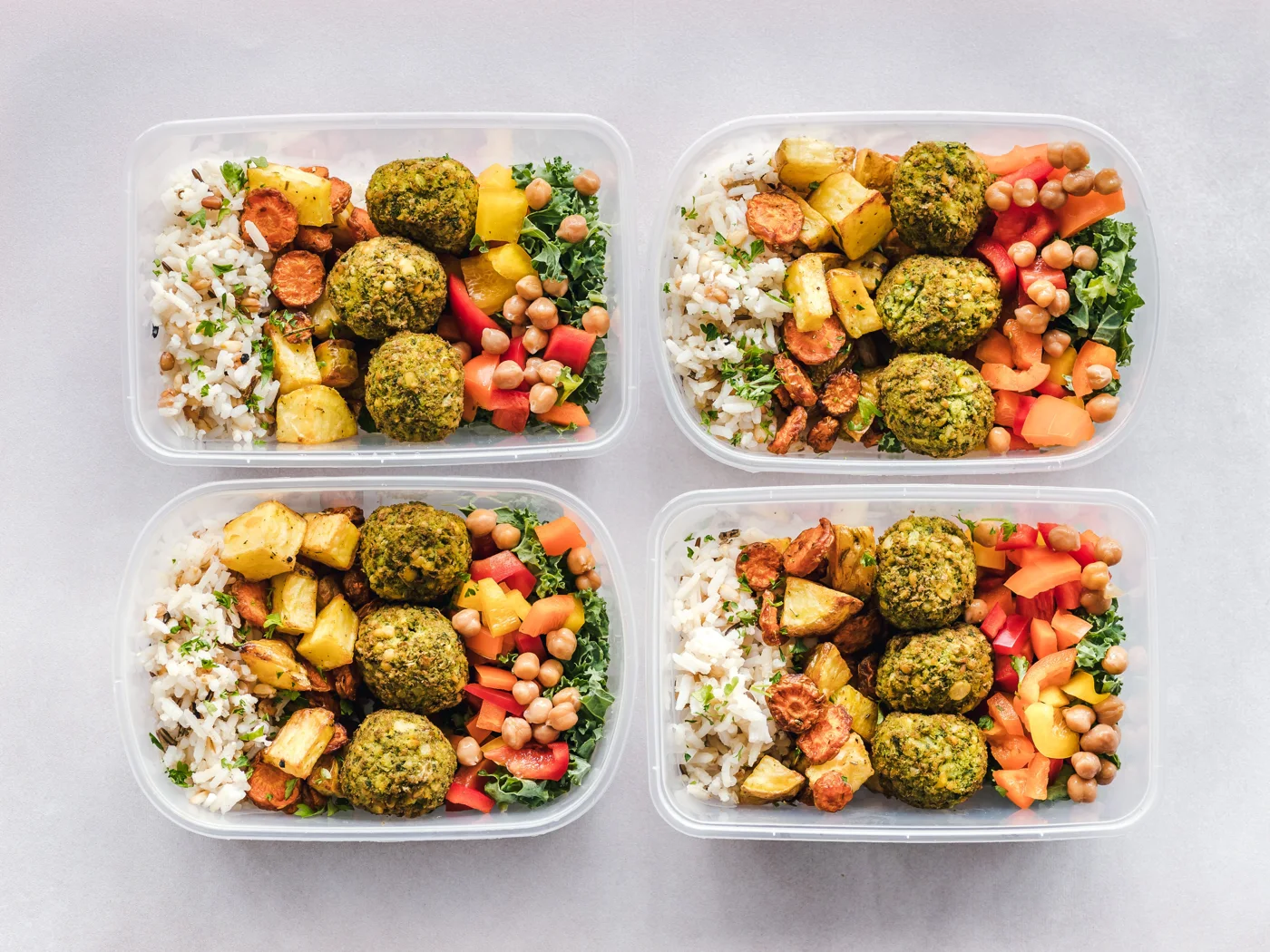
Do not leave the whole day’s eating until after training
If lunch was small and training begins after eight, it is unsurprising to come home extremely hungry. The useful change starts before you enter the gym. A proper lunch and a familiar meal or snack before training can take pressure off the late dinner.
You could eat part of dinner earlier and leave a smaller portion for afterwards. Allow enough time to digest the first part comfortably. This works particularly well when the evening meal is already cooked, so splitting it changes only when you eat rather than requiring two separate cooking sessions.
Give the meal protein, carbohydrate and a comfortable size
After training, a protein food supports muscle repair and carbohydrate helps replace the fuel you used. Ordinary food can provide both. Eggs with bread, yogurt with oats, or rice with tofu are simple combinations. Add vegetables or fruit according to appetite and what feels comfortable.
A long, demanding session and a short, easy workout do not create identical needs. Start with a portion that satisfies hunger without making you uncomfortably full. You can adjust tomorrow’s earlier food if that balance repeatedly feels difficult.
Choose the option you can actually face at that hour
If you want something warm, a prepared potato-and-egg meal or rice with a familiar protein food may appeal more than a cold shake. If you have little appetite, yogurt and cereal can be easier to start with. Bread with cottage cheese is another low-effort option.
For quantities and cooking instructions, take a look at the meal-prep collection. Choose a dish you have already tried. A late training night is a poor time to discover that a complicated recipe takes twice as long as expected.
What if bedtime is very close?
Large meals close to sleep can cause discomfort or indigestion. Try putting more of dinner before the session and leaving a smaller portion afterwards. Make time to eat sitting down instead of swallowing a large meal on the way to bed. Your own tolerance will help determine the arrangement.
For people with night-time reflux, NIDDK notes that leaving at least three hours between meals and lying down may help symptoms. If your schedule makes this difficult or symptoms keep returning, discuss it with a clinician. That advice is about reflux, not a universal ban on eating after a particular clock time.
The late caffeine may matter too
A pre-workout product, energy drink or large coffee before evening training can remain relevant long after the session finishes. Caffeine can interfere with sleep for hours. If you lie awake after late workouts, consider the drink as well as the dinner.
Try an evening without the caffeinated product while keeping the rest of the routine familiar. Avoid replacing it with alcohol to make yourself sleepy: that can disrupt sleep too. Water and an ordinary meal are a simpler starting point for many recreational training evenings.
Have a meal waiting safely
A refrigerated portion ready to heat saves both cooking and decision-making. Cool cooked food promptly in shallow containers and refrigerate within one to two hours. For the existing LiftPal meal-prep plans, use refrigerated portions within 48 hours or freeze them on cooking day; stricter product instructions take priority. Cooked rice has a shorter FSA storage recommendation: cool it as quickly as possible, ideally within one hour, then refrigerate and eat within 24 hours.
Reheat thoroughly until steaming hot throughout, and reheat leftovers only once. If you go straight from work to the gym, do not leave perishable dinner in an unrefrigerated bag all afternoon. Keep it properly chilled, or eat food stored safely at home afterwards.
Change the evening in one useful place
Start with the part that causes trouble: arriving ravenous, cooking too late, stomach discomfort or caffeine near bedtime. Prepare a smaller dinner, move some food earlier or swap the drink. One change is easier to judge than a completely new diet and training schedule.
Meal timing can matter for health and appetite, but a clock time alone does not tell you whether a meal is suitable. Enough food, a comfortable portion and sleep that fits your life belong together. Keep the evening workable so you can repeat the training next week.
Try a tool
Read next

Sources
- NIH Office of Dietary Supplements: Exercise and Athletic Performance ↗
- NIH: Healthy sleep ↗
- NIDDK: Eating, diet and nutrition for GER and GERD ↗
- NHLBI: Chrononutrition, timing of meals matters for your health ↗
- Food Standards Agency: Chilling, freezing and defrosting food safely ↗
- Food Standards Agency: Student guide to food safety and hygiene, cooked rice ↗
Ella Olsson / Pexels · Pexels License · Resized and converted to WebP for this website.
ready made / Pexels · Pexels License · Resized and converted to WebP for this website.